
Nearly 14 months after its début at EICMA 2024, we finally swung a leg over the pre-production Royal Enfield Flying Flea C6
Story: Salman Bargir
Photography: Siddharth Dadhe
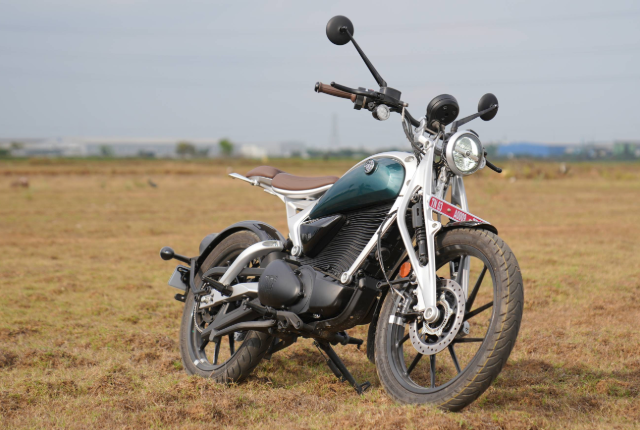
Royal Enfield is regarded as a symbol of resilience by its loyalists, an image that grew stronger following its resurgence, backed by the Royal Enfield Classic 350 in 2009. Based on solid fundamentals, the motorcycling behemoth has now moved into uncharted territory with its Flying Flea sub-brand.
The original Flying Flea is nothing short of an icon. Purpose-built as a combat utility machine during World War II, it played a crucial role in supporting assault troops on the frontlines. Designed for speed and agility, its primary function was to deliver critical, time-sensitive messages across the battlefield, especially when radio communication was unavailable or compromised. Engineered with remarkable ingenuity, the Flying Flea was rugged yet light enough to be carried by soldiers over obstructions, and was air-dropped by parachutes, making it one of the most versatile military motorcycles of its time.
Inspired by the original, the Flying Flea C6 has been engineered with a focus on lightness and agility, reinterpreted for a modern context. The result is a motorcycle that looks unlike anything you would typically associate with Royal Enfield today. Its exoskeletal frame immediately sets it apart from the crowd, making it instantly recognisable.
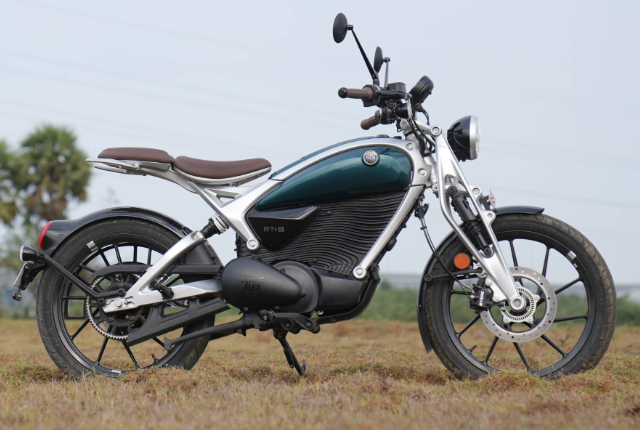
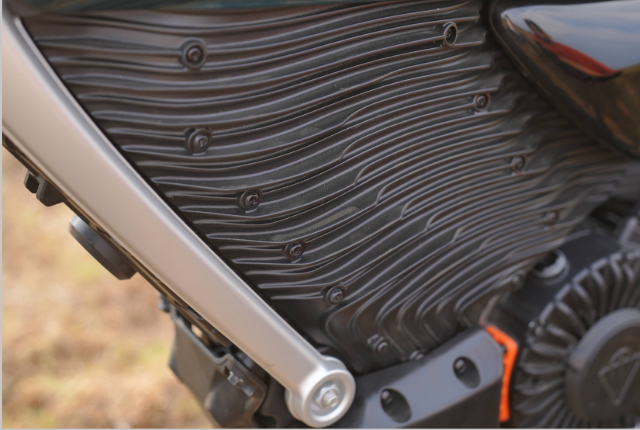
Personally, the C6 looks most striking in profile. Blending heritage with modern technology, it is both nostalgic and futuristic. Its standout elements, the modernised girdraulic fork and magnesium-alloy battery casing, underscore its engineering intent. The distinctiveness continues with the narrow tank, floating-type seats, and extensive use of aluminium; forged construction for the main frame and fork, and cast components for the subframes. Adding to its character are the arc-shaped mudguards, round LED headlight and tail-light, and a circular digital dash, all of which blend a sense of old-world motorcycling charm with the Software Defined Vehicle (SDV).
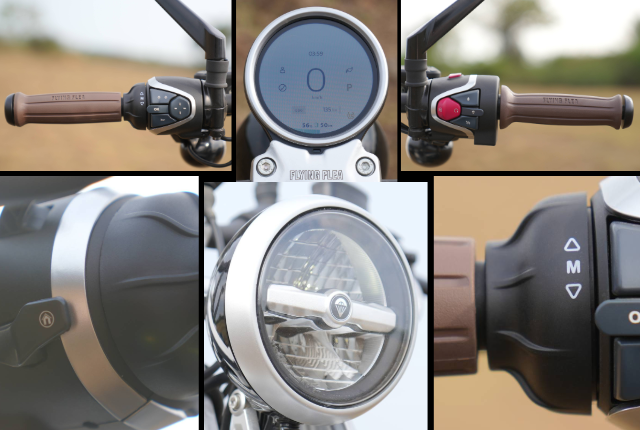
Underpinned by an ecosystem built around a custom-built Android-based operating system and powered by a Qualcomm Snapdragon processor, the C6 can be accessed in three ways: via a sharable digital key, enabled via NFC on supported smart devices, which allows for proximity-based access, alternatively, via a passkey input on the touch-enabled 3.5-inch TFT dashboard that also offers good legibility supplemented by a clutter-free interface, or remotely, via the dedicated Flying Flea app.
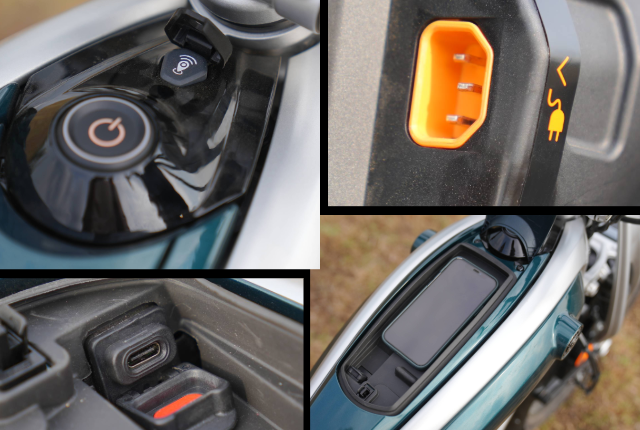
Press the round on/off button atop the tank, and the Royal Enfield Flying Flea C6 comes to life. Unlock the motorcycle and pull both levers for a second and a half. Once a capital “D” appears on the dash, it signals that the bike is ready to move. Twist the accelerator as you normally would to move forward, or roll it the opposite way to engage reverse or regenerative braking while on the move. Braking itself is intuitive; you can use either lever, much like you would on an automatic scooter.
One of the features that I liked was the different ride modes and their rotary-style selector on the inner end of the left grip. You can switch among modes on the fly by flicking your wrist, or, as I prefer, by rolling it forward or backwards while holding it between the index finger and thumb. Alternatively, modes can also be toggled via the D-pad or directly through the touchscreen dash.
While “Sport” mode delivers an engaging ride, it’s the “Custom” mode that truly stands out. You can adjust the settings to your liking. Adjustable parameters include Power Torque Map, Traction Control, ABS, and Regen. Regen is programmed to operate below 85 per cent state of charge, and in typical conditions, it works effectively. “Highway” mode feels adequately punchy for a brisk sprint, while “City” mode delivers a smoother, more gradual throttle response that’s better suited to urban riding. Overall, the calibration feels well-judged, with each mode offering a clearly distinct riding character.
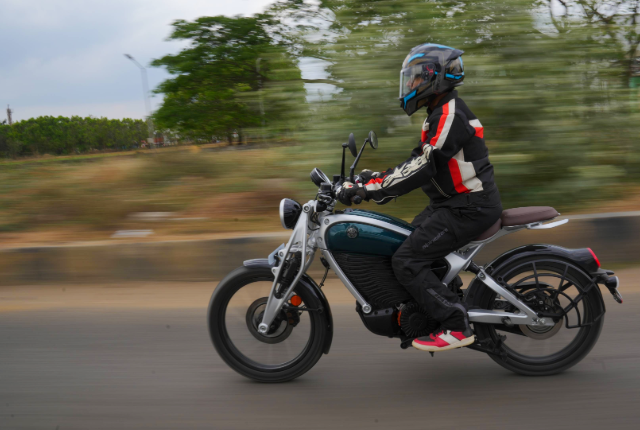
While on the move, the riding triangle on the Royal Enfield Flying Flea C6 feels slightly sporty, though that can be adjusted. The absence of a traditional gear shifter and brake pedal allows room for ingenuity. There’s a provision to reposition the foot-pegs further forward, enabling a more neutral riding posture. It’s something we’d be keen to explore during our comprehensive road test.
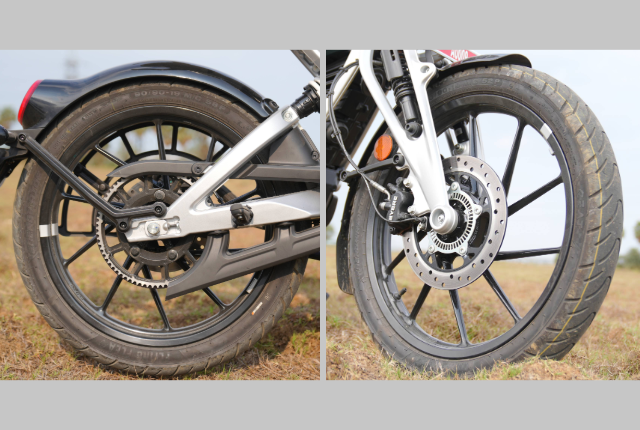
The Royal Enfield Flying Flea C6 rides on specially developed CEAT tyres featuring Flying Flea branding and even a subtle parachute imprint on the tread. Mounted on 19-inch wheels at both ends, they share 90/90 size tyres, albeit with different tread patterns, and offer good grip. During the ride, when I encountered patches of slippery surfaces, switching to Rain mode proved effective. Throttle response is subdued, and traction control and ABS, both lean-sensitive, are enhanced.
Yes, the Royal Enfield Flying Flea C6 does come with its share of niggles, though none of those feels like a deal-breaker. While overall fit-and-finish is commendable, the tank area could benefit from some refinement. The motor emits a slightly whiny note, and the seat material tends to be a bit slippery. Ergonomically, the narrow tank may take some getting used to, and the same applies to the switchgear and interface.
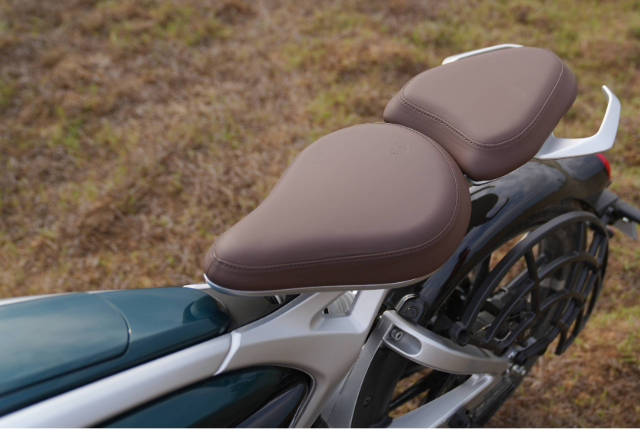
But then again, one of the biggest strengths of the Royal Enfield Flying Flea C6 is how it rides. The in-house developed motor feels potent, delivering a healthy dose of power and torque, making the C6 genuinely quick. In fact, Sport mode or a maxed-out Custom mode can feel quite intense for newer riders.
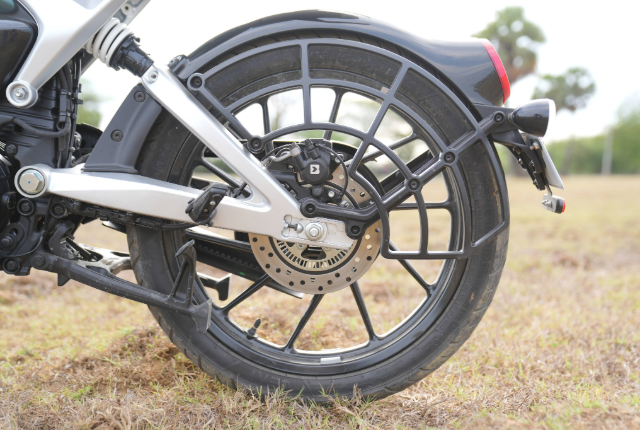
On a similar note, the linked braking system, which engages both brakes via the left lever, has a sharp initial bite that could catch the inexperienced off guard. That said, the front brake offers strong yet progressive stopping power, inspiring confidence once you get accustomed to it.
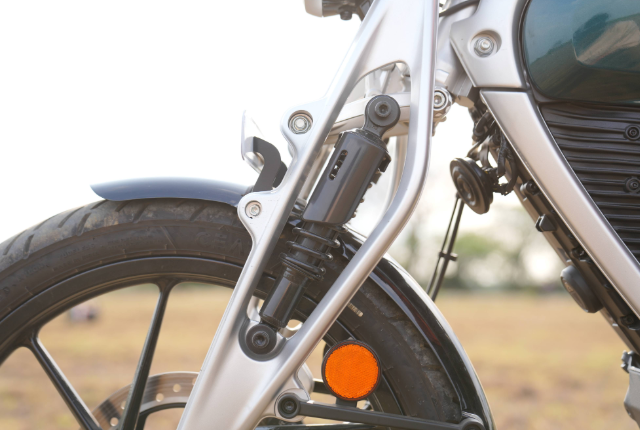
The suspension set-up, featuring the girdraulic fork up front and a monoshock at the rear, is well judged. It keeps the motorcycle planted and composed, while still offering a comfortable ride. Though slightly sporty in nature, it isn’t harsh and strikes a fine balance between handling broken roads and maintaining stability during highway runs.
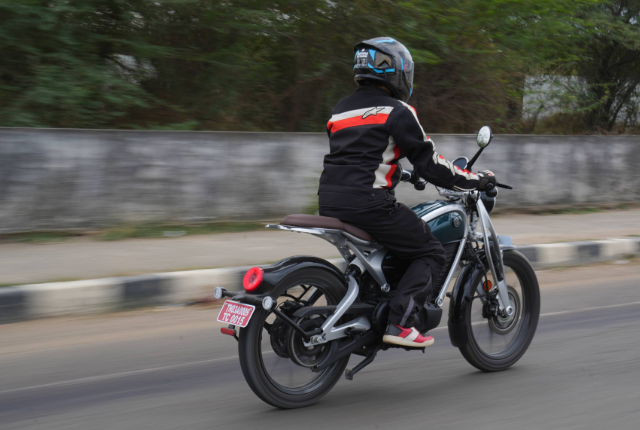
Thanks to its lightweight construction, the C6 is easy to manoeuvre and surprisingly beginner-friendly. Its 827-millimetre seat height makes it accessible to a wide range of riders, while the IDC range of 154 kilometres should be sufficient for everyday urban use. Add to that an impressive 207-mm ground clearance, and the C6 handles rough patches and uneven terrain with reassuring ease.
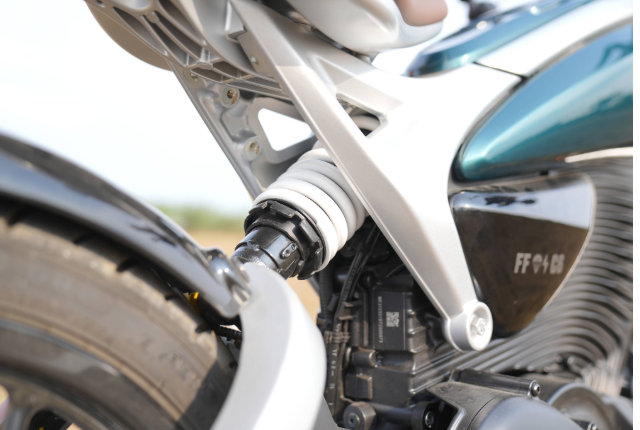
In conclusion, the Flying Flea line-up is arguably one of Royal Enfield’s most ambitious and significant endeavours in its 125-year history. Perceiving the Royal Enfield Flying Flea C6 like any other Royal Enfield would be a mistake, though. The line-up is not only a different brand but also a completely different approach by Royal Enfield. A distinct stable within the same stud farm.
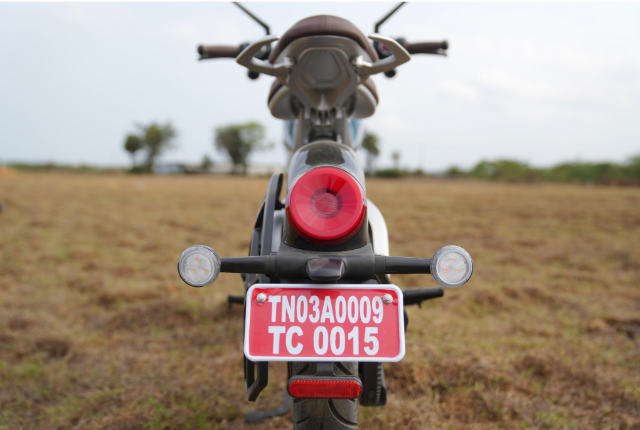
Built from the ground up on a tech-laden, software-driven architecture, the C6 may feel unconventional at first, but its design gradually grows on you. In fact, its bold approach has already been recognised by the Red Dot Design Award in 2025. For some, its striking, perhaps even outlandish, design alone could be reason enough to consider it.
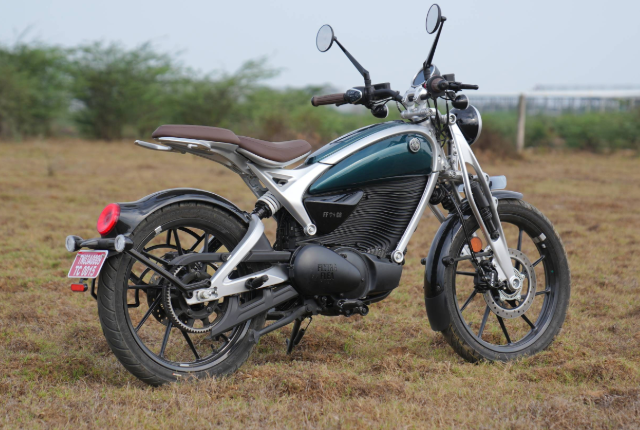
For buyers seeking a tech-savvy electric motorcycle that stands apart from the crowd, the C6 is certainly worth serious consideration. The only question that remains is pricing.
Also Read: Unity in Diversity


Leave a Reply