The Japanese two-wheeler manufacturer has unveiled everything from off-roaders, to both electric and petrol scooters, and even a cruiser duo
In a landmark move, Honda has brought out a model onslaught, including the XR300 Rally and XR 300L adventure bikes, the ADV160 premium scooter, the Rebel 300 and Rebel 500 cruisers, the QC3 electric scooter, a new CB500 and refreshed CB350 roadster line-up.
Starting with the most familiar offerings, the CB350 range, comprising the CB350, CB350C, and CB350RS, continues to be powered by the same 348.6-cc, air-cooled engine making 21 hp and 29.5 Nm, with Honda Selectable Torque Control (essentially traction control) and dual-channel ABS, and a Bluetooth-compatible semi-digital cluster as standard. The differences between the three, then, come down to styling, with the “RS” sporting modern cues, while the CB350 and CB350C adopt a more traditional approach, differentiated only by their colourways and graphics.
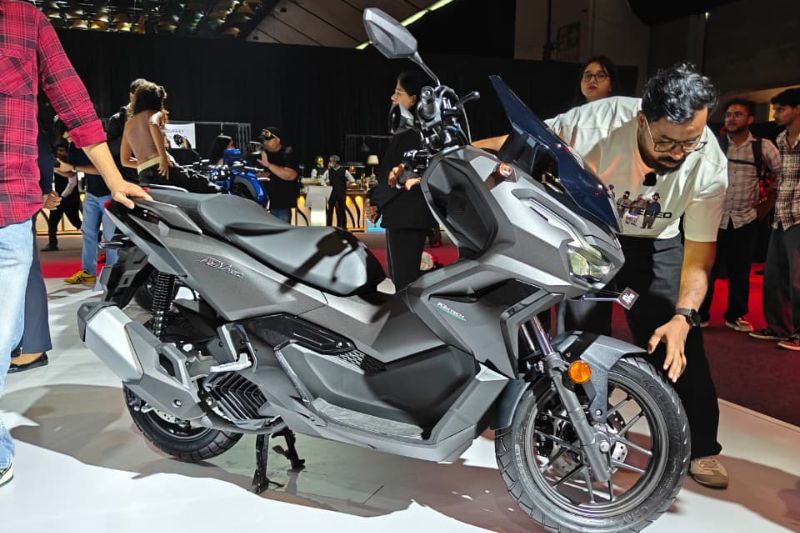
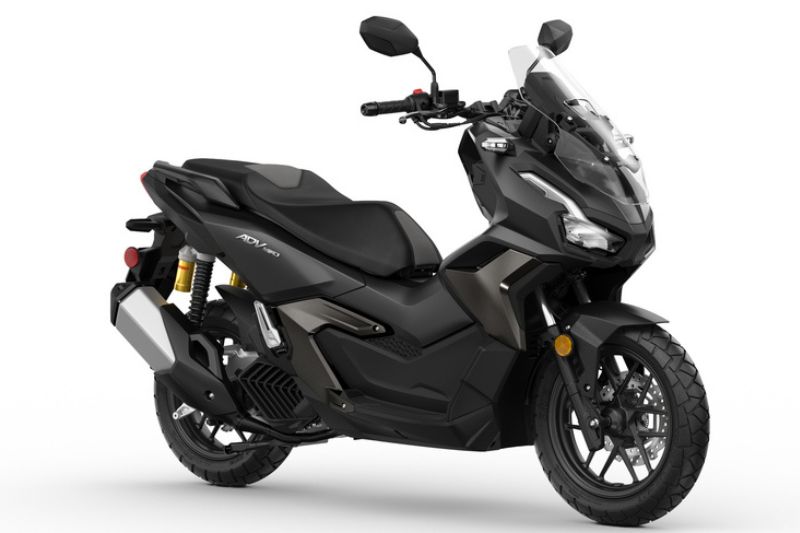
Next comes the ADV160 maxi-scooter, which has been a hotly anticipated model. Honda’s answer to the likes of the Yamaha Aerox 155 and Hero Xoom 160 sports a 156.9-cc, liquid-cooled, single-cylinder engine, making 16 hp and 14.7 Nm. It is also E85 flex-fuel-compatible, making it India’s first flex-fuel scooter. Riding on 14-inch front and 13-inch rear alloy wheels, it gets disc brakes at both ends, with single-channel ABS at the front. The ADV160 also boasts of 27 litres of under-seat storage, along with a Bluetooth-compatible TFT cluster equipped with Honda RoadSync, offering turn-by-turn navigation.
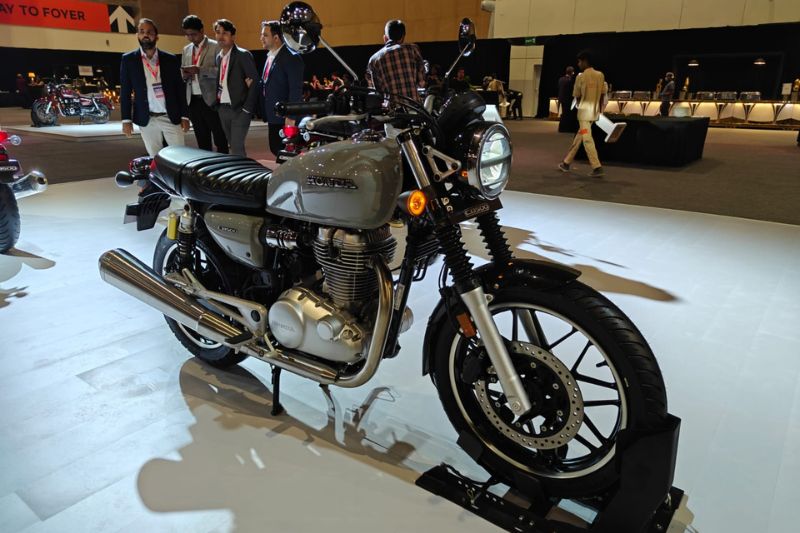
We now move to the all-new launches, starting with the CB500, essentially an evolution of the CB350. This retro roadster sports a 501-cc, air-and-oil-cooled engine making a modest 28.1 hp but a relatively heftier 43.3 Nm. It also gets the same Bluetooth-compatible semi-digital cluster as its 350-cc siblings. The CB500 will be available in three variants, differentiated by the inclusion of either alloys, tubeless spoke wheels, or tubeless spoke wheels with different graphics/colourways.
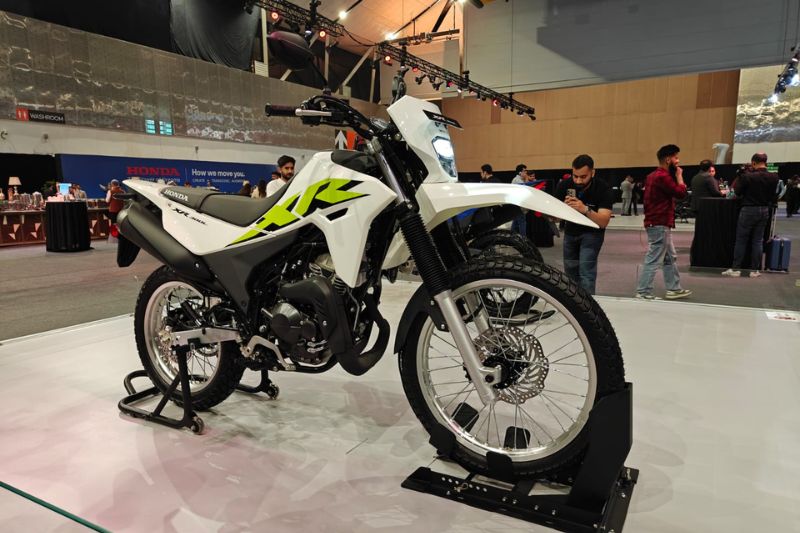
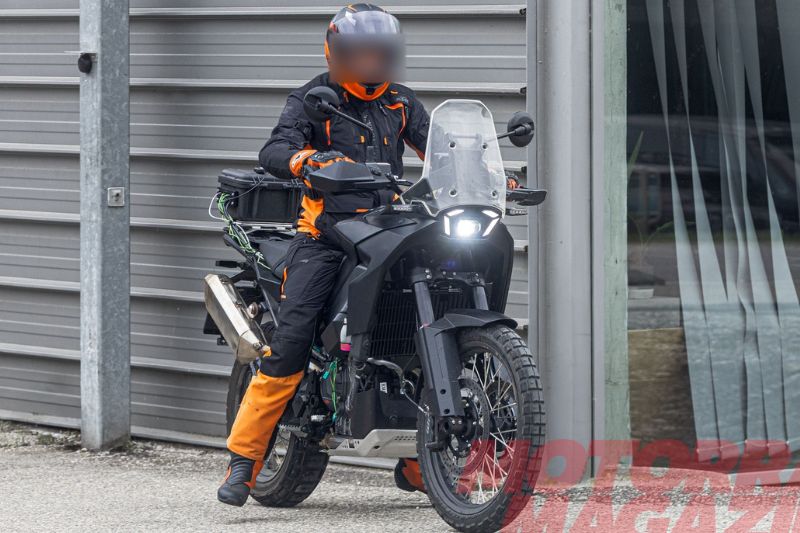
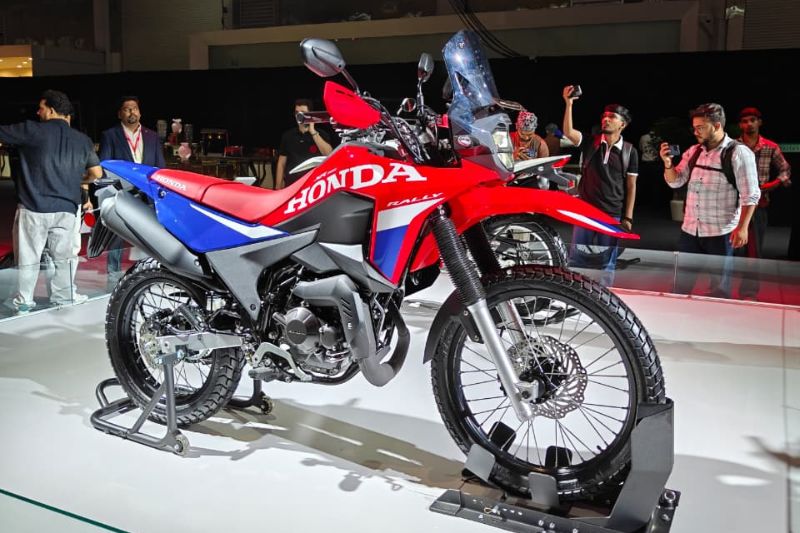
The other (not-so) surprise entry was that of the XR 300L and XR 300 Rally, both of which pack the same 293.5-cc air-and-oil-cooled, single-cylinder engine making 27.3 hp and 26.6 Nm, and mated to a six-speed gearbox. However, they differ in terms of purpose, with the XR 300 Rally more suited to comfortable long-distance touring, while the XR 300L–with its smaller fuel tank and minimal bodywork–is aimed at serious off-road riders.
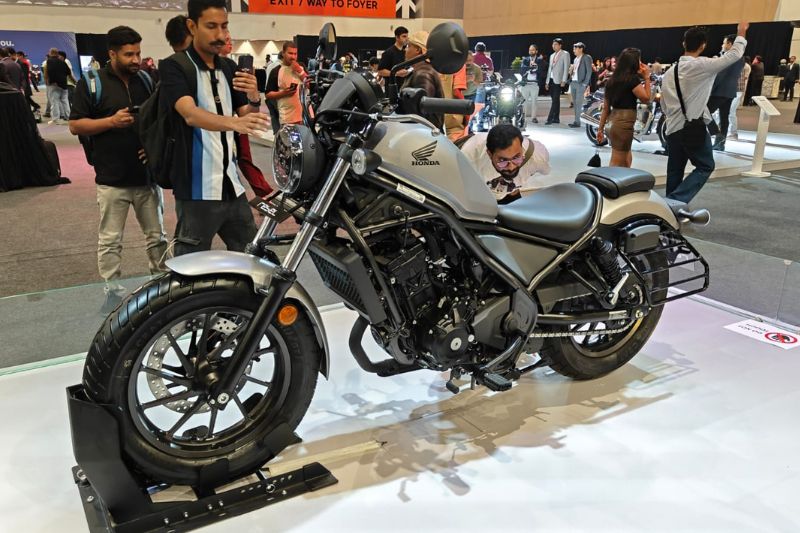
From the off-road, we now move to the highways, with the Rebel cruiser, available in both the 300 and 500 guises. The smaller Rebel is powered by a 286-cc, liquid-cooled, single-cylinder engine making 30 hp and 27.6 Nm, while the larger one has a 471-cc, liquid-cooled, parallel-twin engine making 46.2 hp and 43 Nm. Besides this, they’re mostly similar, as both have 16-inch spoke wheels front and rear, with disc brakes and dual-channel ABS, and a single-pod Bluetooth-compatible TFT cluster with Honda RoadSync, though the larger Rebel also gets traction control. Both, the Rebel 300 and Rebel 500, will be available in standard (manual gearbox) and E-Clutch variants.
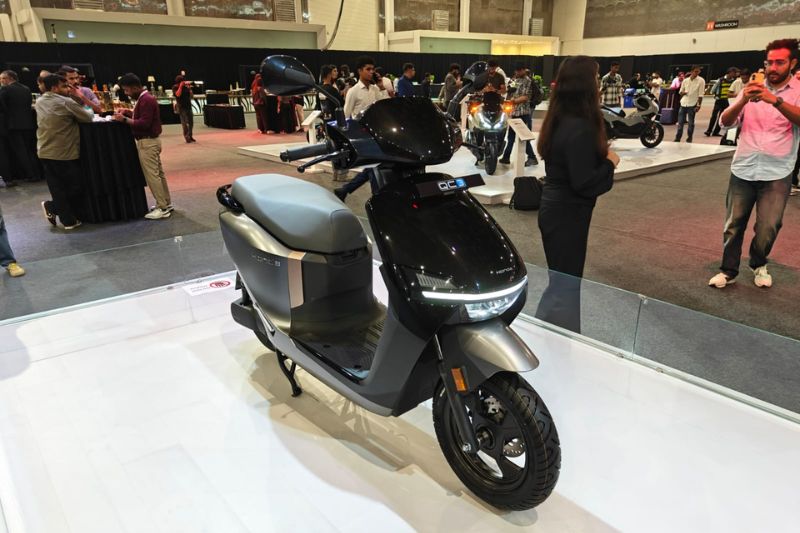
We now move to the final unveil, the QC3 family electric scooter. It packs a 3.0-kWh battery, with a claimed 145-km IDC range and a zero to 80 per cent charge time of two hours and 40 minutes. The UC3 also offers a 32-litre underseat storage, and a Bluetooth-compatible TFT console with Honda RoadSync.
Now, Honda has emphasised that these models will sport extensive localisation, though the brand hasn’t offered any specifics. Hence, the prices should, therefore, not dent prospective buyers’ wallets as much. And finally, the brand will space out its launches, with the first few scheduled for Diwali 2026.