“Family-oriented” doesn’t need to be boring, says Simple Energy
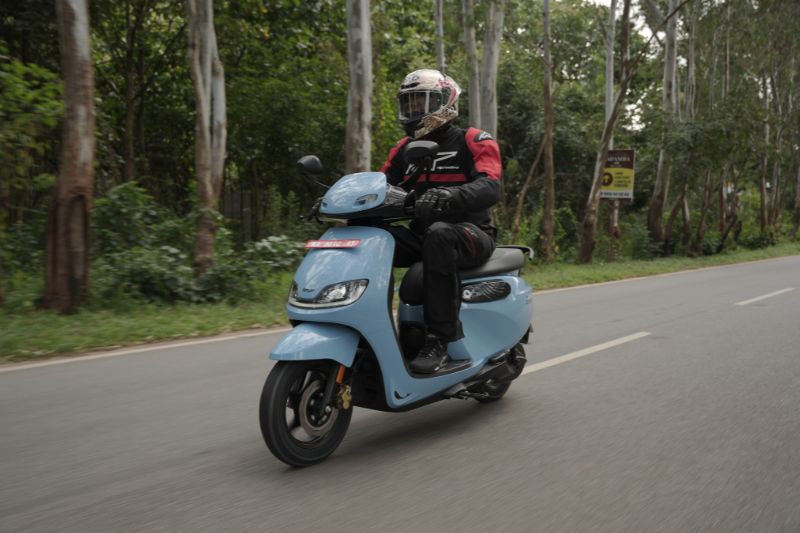
“Optimisation; not compromise”, said Simple Energy co-founder Shresht Mishra, when asked about what the brand had skimped upon when designing the Simple Wave, its first family-oriented scooter. At the time, this correspondent dismissed it as marketing-speak. After all, family scooters are usually mild-mannered workhorses, so surely corners needed to be cut. But which ones exactly?
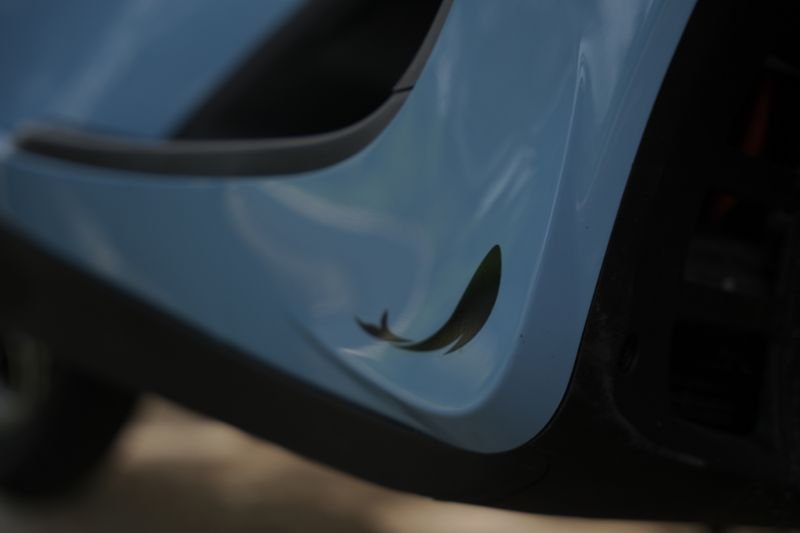
Starting off with the visuals. The Dolphin-inspired design is apparent. The rounded front features an apron-mounted dual LED headlight and integrated DRL (daytime running light) setup, with the ornate rear-view mirrors mounted inwards on the stalks. In profile, the swooping lines and rounded haunches easily integrate the 920-mm seat, the longest on any electric scooter yet. The rear, with the slim LED tail-light and indicator setup and, yes, the tail fin-inspired grab rail, looks proportionate, yet pleasing. The overall design, then, especially considering the test unit’s pastel-like Polar Blue colourway, seems more “endearing” than “functional”.
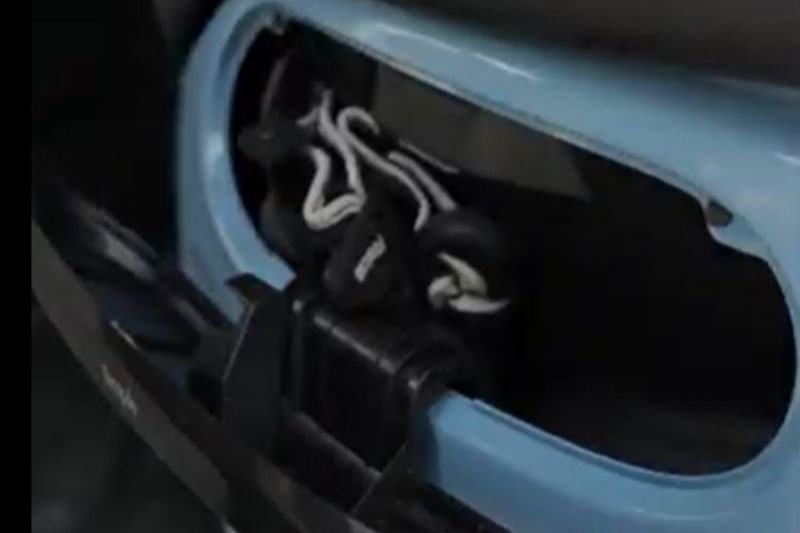
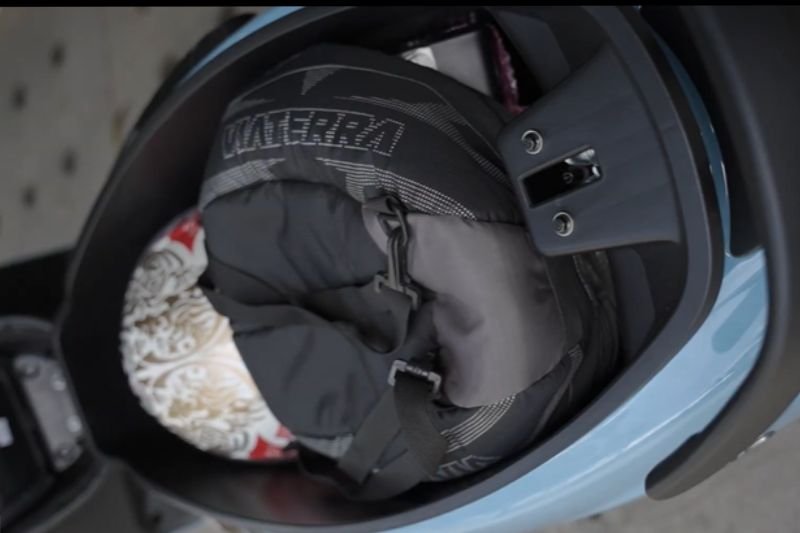
With that positive note, I swung a leg over, and was impressed by how natural the seating position felt–courtesy the long and wide floorboard, low (775-mm) seat, and low handlebar–for my six-foot-plus frame, and how easily the seat accommodated me, my five-foot-six pillion, and his camera backpack. Moreover, the Wave blows its competition out of the water with over 70 litres of storage, comprising a 64-litre underseat area–easily enveloping a full-face helmet without needing to remove the 750-W portable charger–along with a three-litre apron cubby, and three-litre side-mounted “pillboxes”. One niggle, though: only the left side pillbox was functional. Simple says the right side unit will be added later, as integrating it involves altering the key cylinder mechanism.
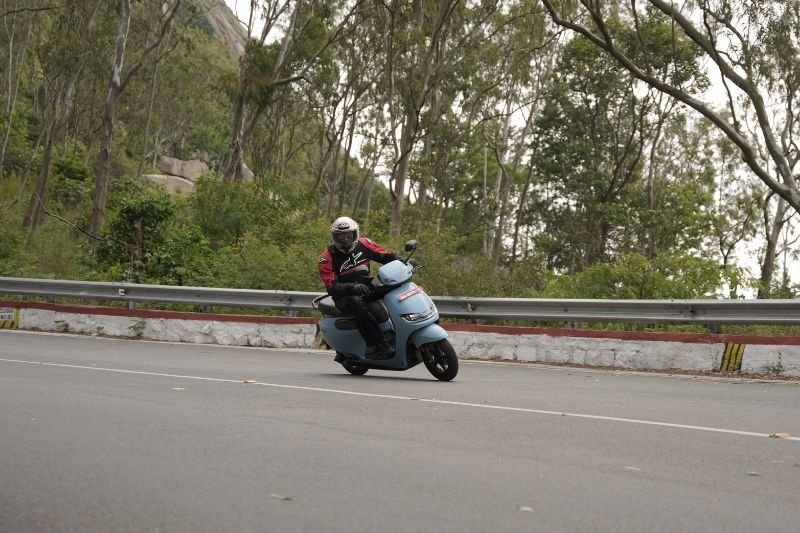
Setting off, I was once again pleasantly surprised by how eagerly it picked up speed, despite being in Eco mode. We got the mid-variant model, simply–pun intended–called the Simple Wave, with a 3.7-kWh NCA (Nickel Cobalt Aluminium) battery and 6.4-kW mid-mounted PMS (Permanent Magnet Synchronous) motor driving the rear wheel via a chain. It gets four riding modes: the first two (Eco X and Eco) differ in terms of acceleration, but top out at an identical 55 km/h; “Ride” goes up to 70 km/h and is best suited for most scenarios, while “Sport” packs the same rate of performance, but with a higher (90 km/h) top speed.
But there’s more to the Wave than just its top-speed cred. It feels tightly wound: the throttle has just enough play for the average rider to rest their hand on in rush-hour traffic without accidentally moving off, though the response when twisted is instant without being jerky. Ditto for the braking, with the CBS-equipped 220-mm front disc and 130-mm rear drum setup offering a progressive response, strong enough to bring this near-125-kg scooter to a stop without any hassles. Its handling, meanwhile, seems at odds with its affable looks and “family scooter” tag. Employing the same platform as the Simple One, the Wave’s identical (and long) 1,347-mm wheelbase, coupled with the 12-inch wheels, keeps it planted even during rapid direction changes. Add to that the suspension setup, firm enough to not buckle under sudden braking, but pliant enough to stay unbothered with mid-corner bumps even when riding solo, and we have the veritable dark horse among sporty electric scooters.
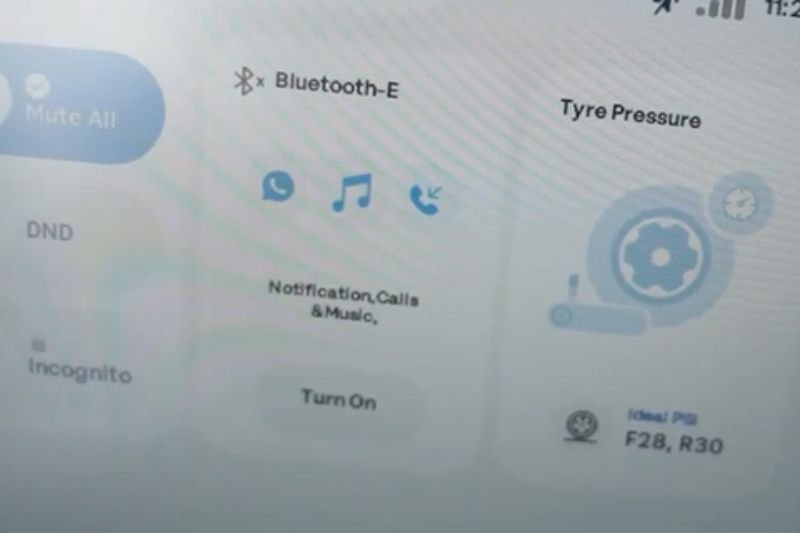
The tech on board includes a 7-inch TFT screen with a Bluetooth connectivity suite–call and message alerts, turn-by-turn navigation, music control–besides a dedicated app for functions like Geo-fencing, location sharing, tip-over and movement alerts, along with the usual complement of battery health and post-ride stats. What piqued my curiosity, though, were the “DND” and “Incognito” options on the console; selecting the former turns off non-essential alerts, while the latter switches off all alerts and reminders altogether. Another intriguing, though absent, inclusion was the tyre pressure prompt that’s currently just an on-screen placeholder, mentioning the recommended tyre pressures.
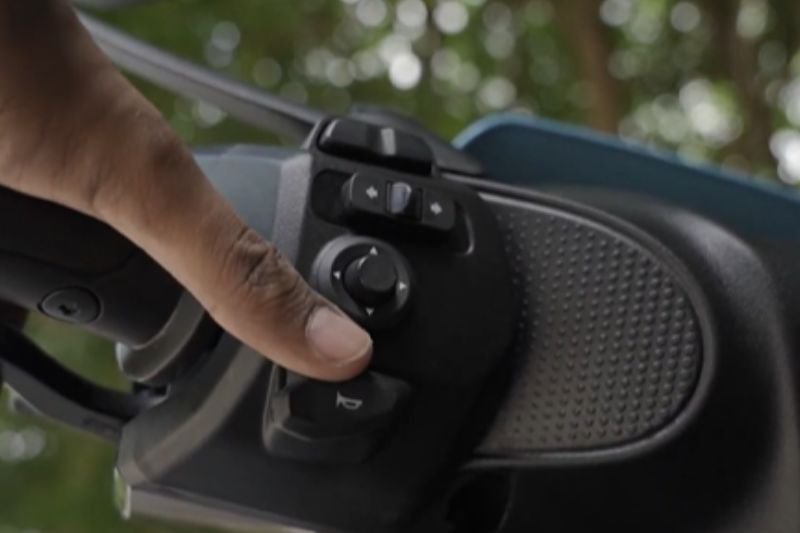
Nevertheless, the Wave gets some thoughtful riding aids too, like Super Hold (essentially hill-hold assist) and Gripsense (traction control). Both work well, though selecting them on the fly exposed a major niggle. The joystick setup which operates the console functions takes up quite some space on the left switchgear, moving the horn button too far down and out of reach for even this XL-size glove-wearing rider. Moving the joystick setup inboard, then, would be a better solution. Another meaningful improvement–albeit a visual downgrade–would be moving the mirrors outwards on the stalks, as their current position impedes their range of adjustment.
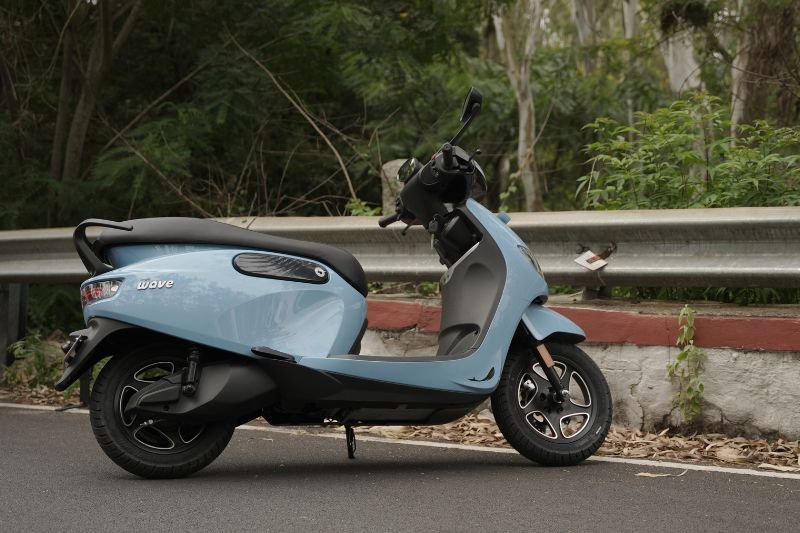
Before we conclude, the short time we spent with the Wave means we can’t definitively speak about its range details or charging time. And, the lack of model-wise price details, is the final missing piece of the puzzle. The Rs-1,09,999 (ex-showroom) tag that Simple has announced is an introductory price for the base Wave S (2.2-kWh LFP battery, 4.5-kW motor, LCD console) variant. This means the top variant (5-kWh NCA battery, 6.4-kW motor, TFT console) could be priced somewhere around Rs 2 lakh, on road. Costly? No doubt. But as it stands, the Simple Wave is an exciting, spacious, and tech-loaded offering. Add to that Simple’s claimed range figures–up to 110 km IDC for the base, going up to 243 km for the top variant, though real-world figures would be about 30 per cent less–and the lower running costs associated with an electric scooter, and the Simple Wave may turn out to be a worthy alternative to similarly priced petrol scooters.