The new Hero Xtreme 160R 4V gets a host of added features, but do those make it stand apart? Let us find out
Story: Anvay Mahajan
Photography: Sanjay Raikar
Hero has given the Xtreme 160R 4V a few updates, and we were invited to its home turf in Jaipur for a short ride. This marks the first update for the 160-cc motorcycle since its launch in 2023. The most noticeable changes comprise the refreshed styling, new colour options, and additional features.
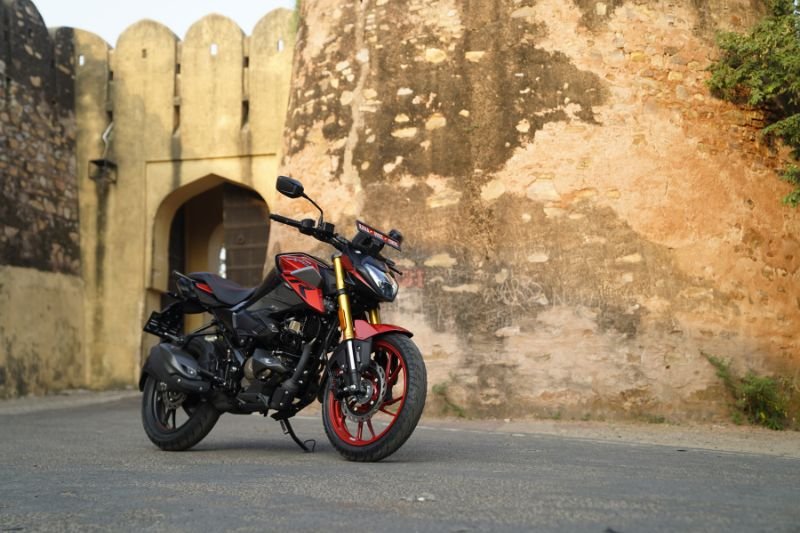
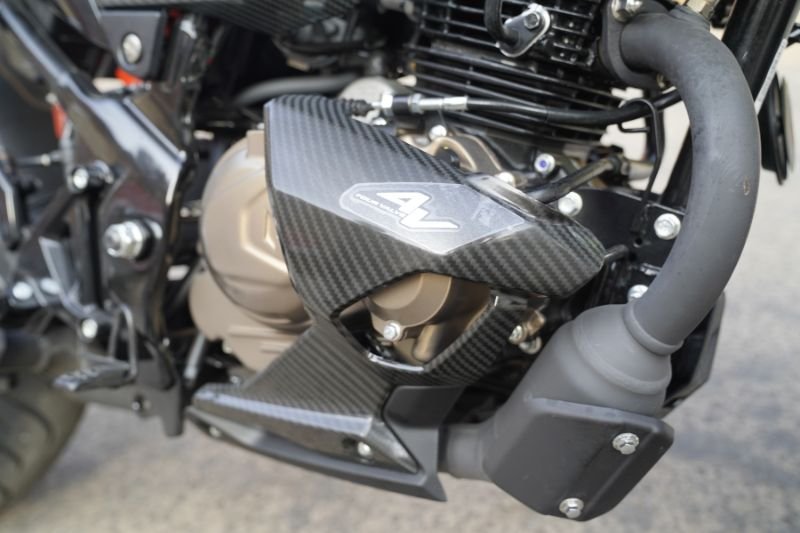
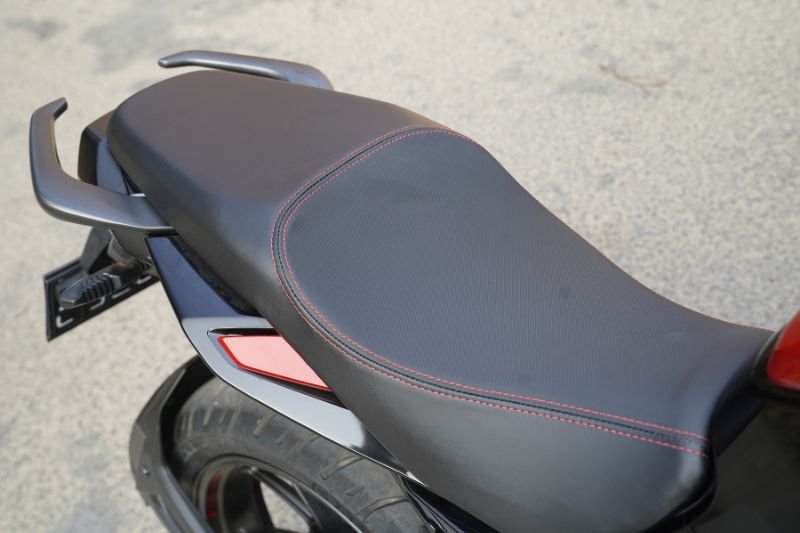
The Xtreme 160R 4V looks sharp and aggressive, with a new LED headlight taking centre stage. The fuel tank gets new design elements, while pseudo-carbon-fibre panels scattered around the motorcycle add a sporty touch. Hero also offers several customisation options, including lever guards, a floating visor, and a race-inspired front winglet that adds a sharper edge to the overall design. The seat is among the longest in the segment and is quite comfortable, particularly the wide pillion seat.
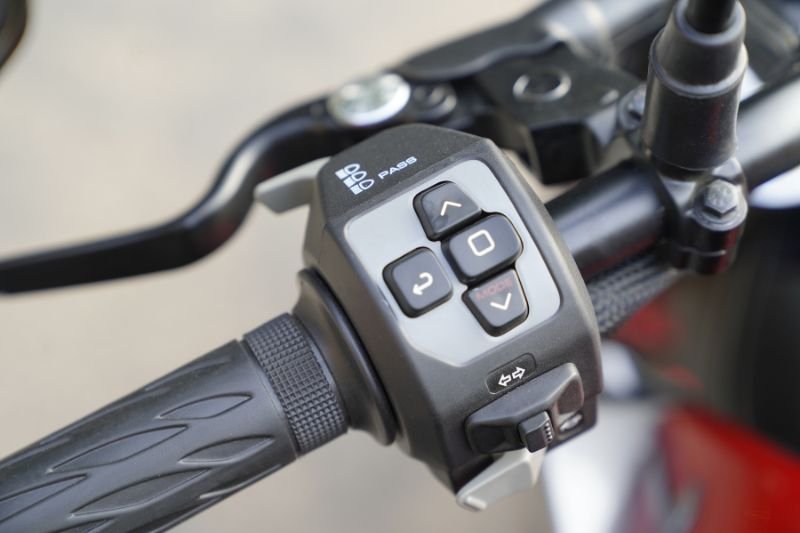
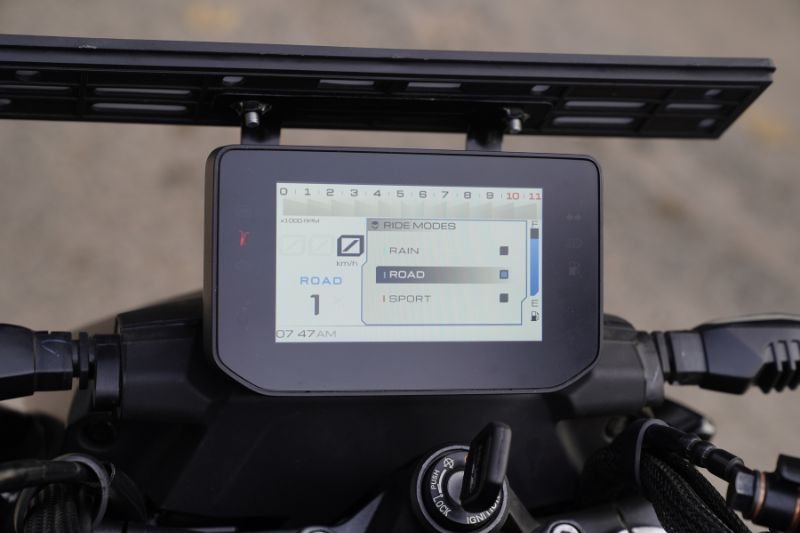
The biggest update is the 4.2-inch TFT display, available on the higher variants. The motorcycle also gets three riding modes: Rain, Road, and Sport. I tried Road and Sport, and the difference in throttle response was not huge but noticeable, with Sport offering a more aggressive response. Another useful touch is that the motorcycle starts in the last-used riding mode after a restart. However, the reboot takes quite a while, followed by a lengthy animation that feels unnecessary. The illuminated switchgear, on the other hand, feels solid and makes the controls easier to locate in low-light conditions.
Power comes from a 163.2-cc, single-cylinder, four-valve engine that is air-cooled with an oil-cooler. It produces 17.1 hp, a marginal increase of 0.2 hp over the previous version, and 14.6 Nm of torque. The engine feels reasonably good but starts transmitting noticeable vibrations beyond 7,000 rpm. The bike feels at its best at around 5,500-6,000 rpm. I managed to attain 110 km/h during our ride. This Xtreme comes with ride-by-wire technology and the low-end punch is good. In third and fourth gears, the power delivery felt a little weak beyond 60 km/h, though.
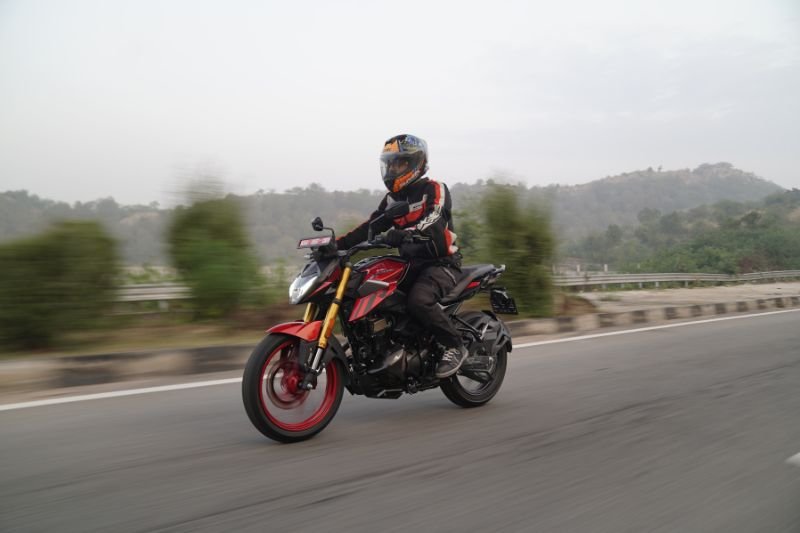
The suspension set-up has been tuned on the softer side. This worked well on the paved roads we encountered in Jaipur, which had some sudden, deep potholes in the middle. The suspension absorbed those imperfections quite nicely. The soft rear end occasionally left me feeling as if I were losing traction at times. Also, the damping was not up to mark; it kept oscillating after a bump when with a pillion rider.

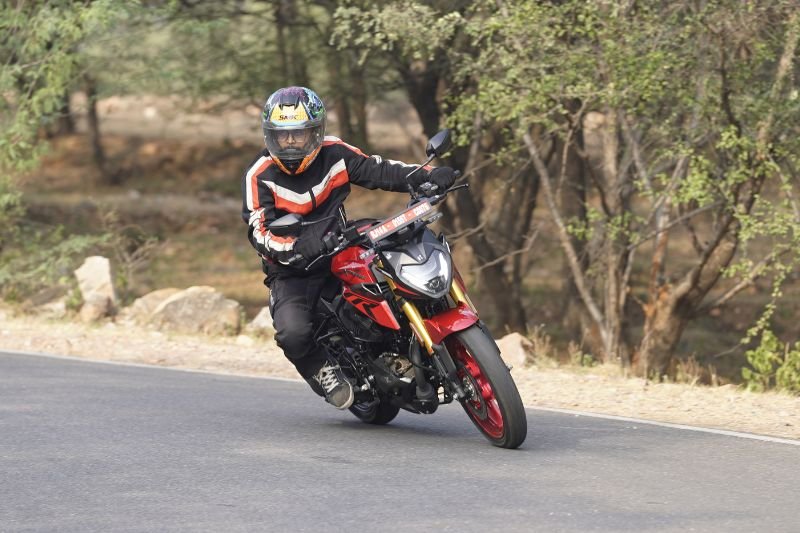
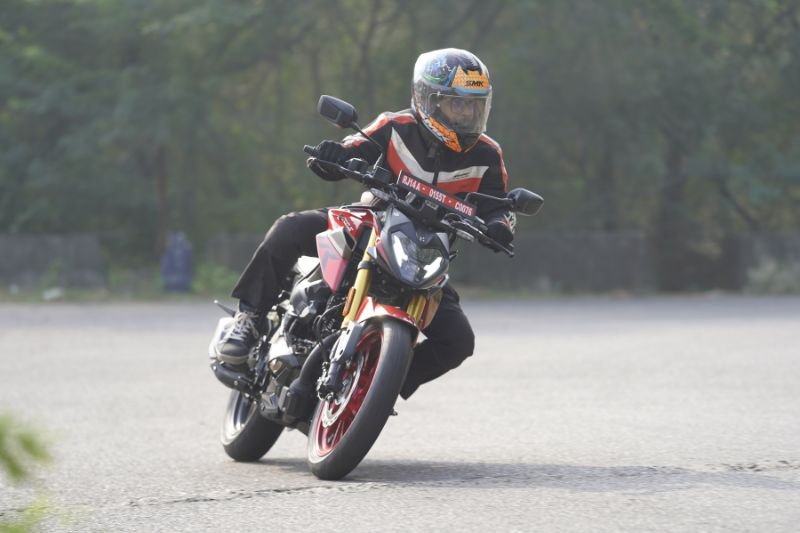
The Xtreme 160R 4V has the shortest wheelbase in its segment at 1,333 millimetres. It is very easy to flick. Compared to the Bajaj Pulsar N160 SS and TVS Apache RTR 160 4V, I felt its riding posture to be slightly more upright. The tyres offer good grip and inspire confidence, especially through corners and during hard braking. The brakes initially felt as though they lacked stopping power, but their performance seemed to improve after the first few applications. This could also have been due to me getting accustomed to the motorcycle.
In terms of connectivity, the Xtreme 160R 4V gets Bluetooth connectivity, music controls, and navigation. When we uploaded the bike’s walkaround video, several viewers asked whether it offered Google Maps mirroring. While its rivals feature Google Maps mirroring on the instrument display, the Xtreme sticks to the more conventional turn-by-turn navigation system. Personally, I see merit in this approach. I rarely use Google Maps or turn-by-turn navigation while riding, and I believe many everyday riders in India feel the same way. While navigation can be useful, it remains a supplementary feature rather than an essential one for every rider. Moreover, if accessing it involves several steps, it can become cumbersome in everyday use. By sticking to the basics, Hero has kept things simple and potentially avoided adding costs for features that not everyone needs. Of course, this might backfire, for, like a sunroof on a car, Google Maps mirroring is very much in demand nowadays.
The updated Hero Xtreme 160R 4V is priced from Rs 1.27 lakh, going up to Rs 1.41 lakh (both prices ex-showroom) for the Carbon variant. While it misses out on certain features offered by its rivals, it also brings segment-exclusive features such as cruise control. Overall, the motorcycle feels solidly built, with few noticeable quality concerns. Its biggest drawback is the lack of punch in the mid- to high-range. The Xtreme 160R 4V is best described as a sporty commuter that leans more towards everyday usability than outright sportiness. Its comfortable riding posture and soft suspension make it suitable for daily commutes, while the sharper styling and updated electronics add a more premium touch.