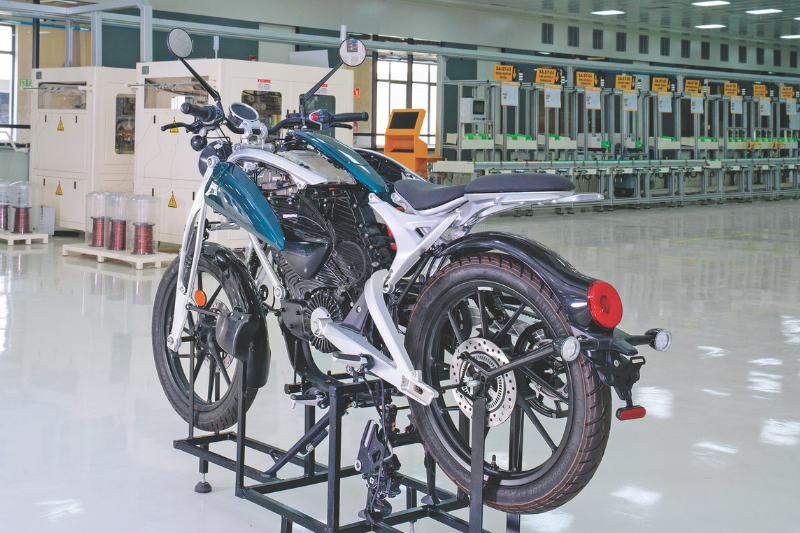
We went behind the scenes at Royal Enfield’s Vallam Vadagal complex to witness the coming together of the Flying Flea C6
Story: Salman Bargir
Photography: Royal Enfield
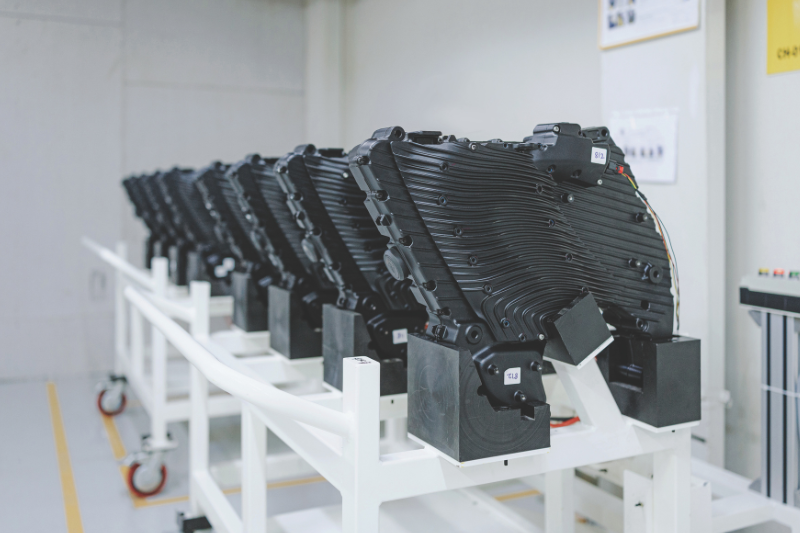
The Flying Flea manufacturing facility is a dedicated plant within the larger Royal Enfield facility, and our tour began at the prototype lab. Every stage of the Flying Flea factory has been meticulously planned to develop the sub-brand’s unique components and platform.
The journey begins with the cells. Royal Enfield has rigorously evaluated options from nearly every leading manufacturer. Shortlisted candidates were then pushed through extreme temperature variations and diverse discharge cycles. Only the ones that surpassed the brand’s high in-house benchmarks were cleared for the next stage.
A highlight of the cell-testing phase is the use of computed tomography (CT) scanning. This process generates a detailed cross-sectional map of the cell’s interior, allowing the engineers to peer inside the “spiral roll” and detect microscopic structural damage. The unique technique further helps provide an “evidential report” for data-backed rectifications.
Testing does not stop there. For the Flying Flea C6, 264 hand-picked cells are integrated into a single battery pack before being subjected to the explosion chamber. A rigorous safety hurdle that must be cleared before the design is finalised. Prototypes are still being built and tested for potential future electric models.
Further along, the hardware-in-the-loop (HIL) system takes over. By plugging embedded controllers (ECUs) into a real-time digital twin of the bike, engineers create a “virtual reality” that tricks the hardware into functioning as if it is on the road, thereby ensuring that the software is bulletproof before assembly.
Next, the vehicle control unit (VCU), the bike’s digital brain, is pushed through rigorous thermal and slush testing. At its core sits a Qualcomm Snapdragon system-on-chip (SoC), which powers a bespoke Android-based operating system, while NXP microcontrollers bridge the gap to the physical bike. These controllers meet the industry-leading Automotive Safety Integrity Level D (ASIL D) safety standards, providing the most stringent level of risk management possible for a modern electric vehicle.

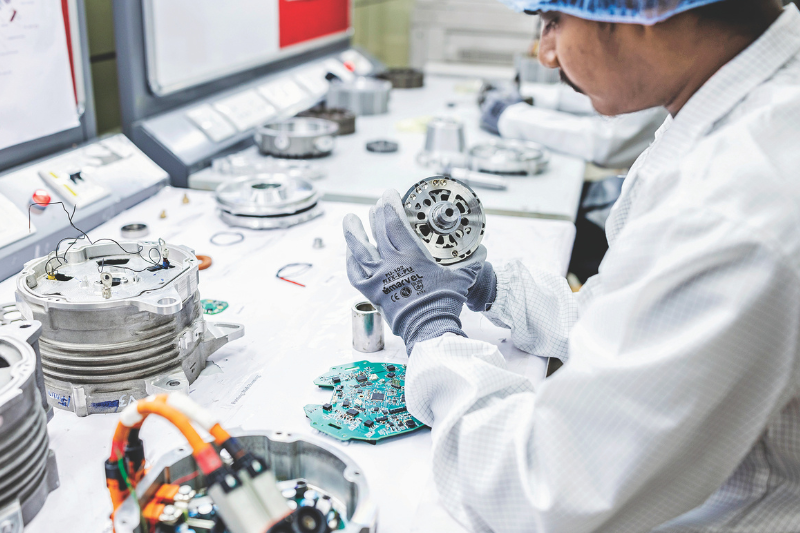
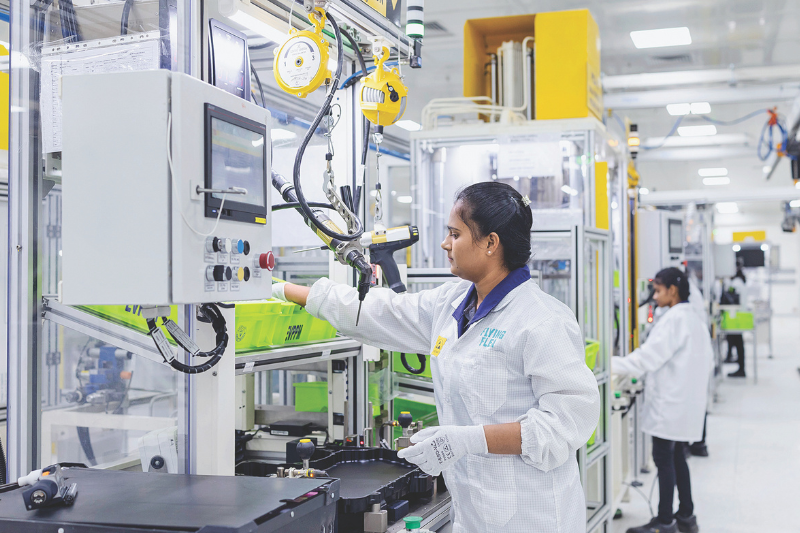
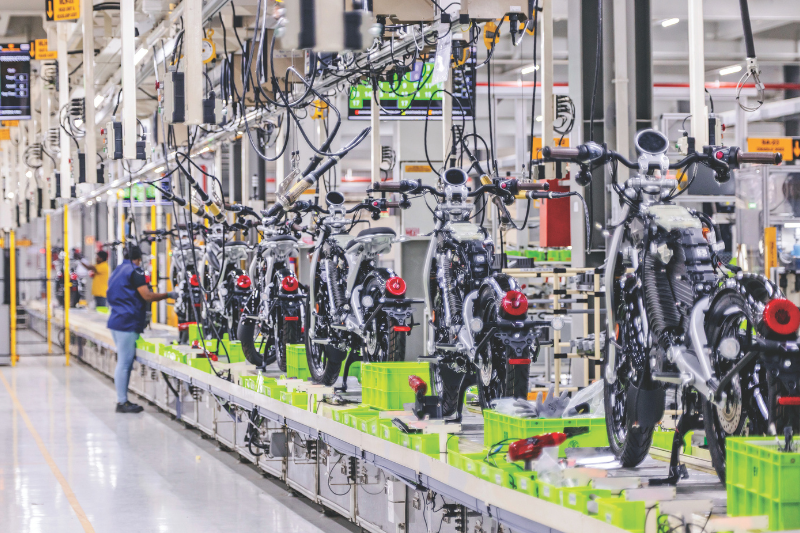
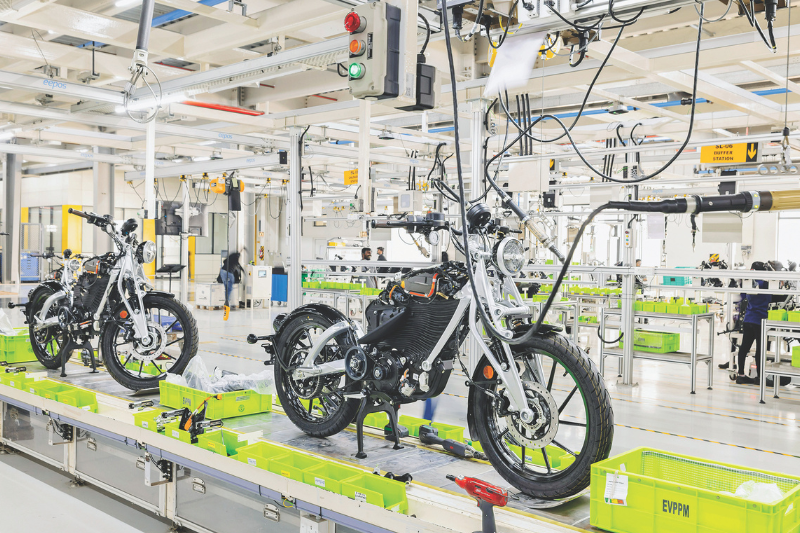
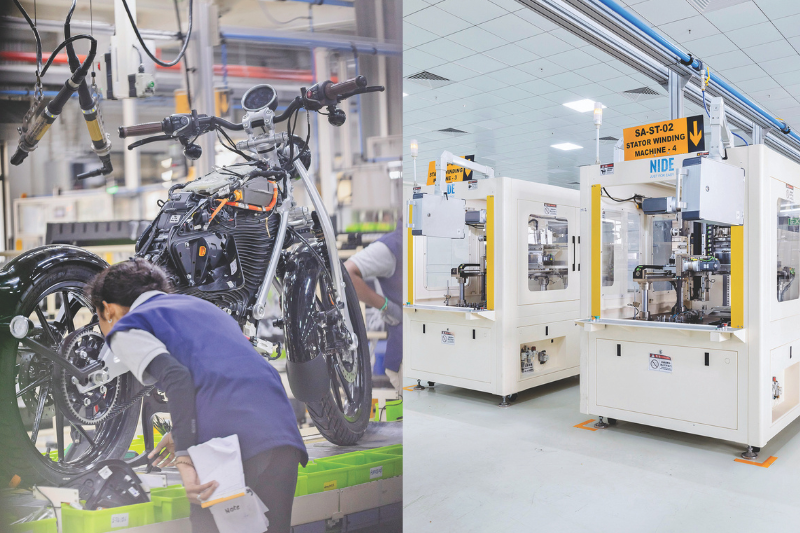
We then headed to the sub-assembly of the motor: a rare-earth-free design engineered from the ground up. To ensure long-term reliability, it faces “hi-pot” testing to pre-emptively catch insulation failures. The battery assembly follows, featuring a fully automated line built with ESD-safe materials to protect delicate circuitry. These batteries are then sealed inside the weight-saving magnesium-alloy casings before moving to the main assembly line for the final stage of the build. With every hardware and software element rigorously validated, the sub-assemblies move to the main line for final integration. Here, the motorcycle finally takes its physical form.
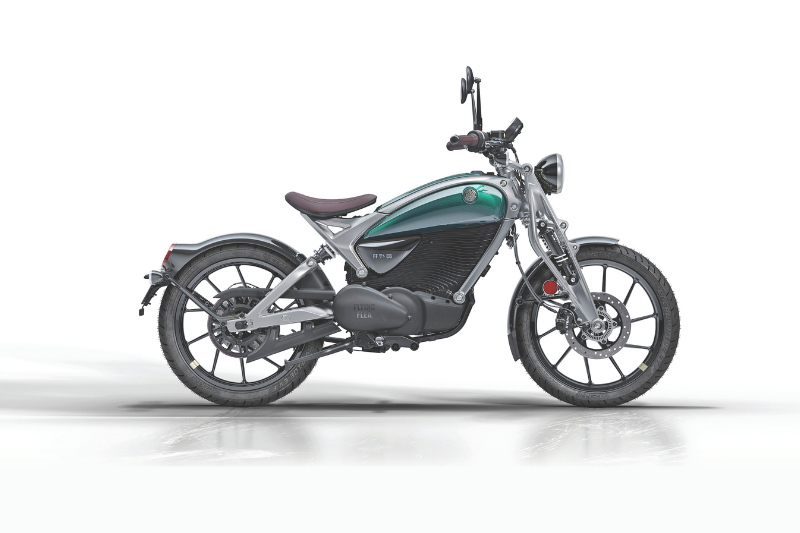
Post-primary dyno runs, the final validation takes place on a custom-built “road-simulating” dyno, an in-house Royal Enfield innovation. This system subjects the motorcycle to a simulation of tough terrains, ensuring every bolt and weld holds firm. To top it off, a 500-millimetre water-wading test confirms the EV’s weather-proof credentials. Having passed these final trials, the Flying Flea C6 is ready for its rider.