
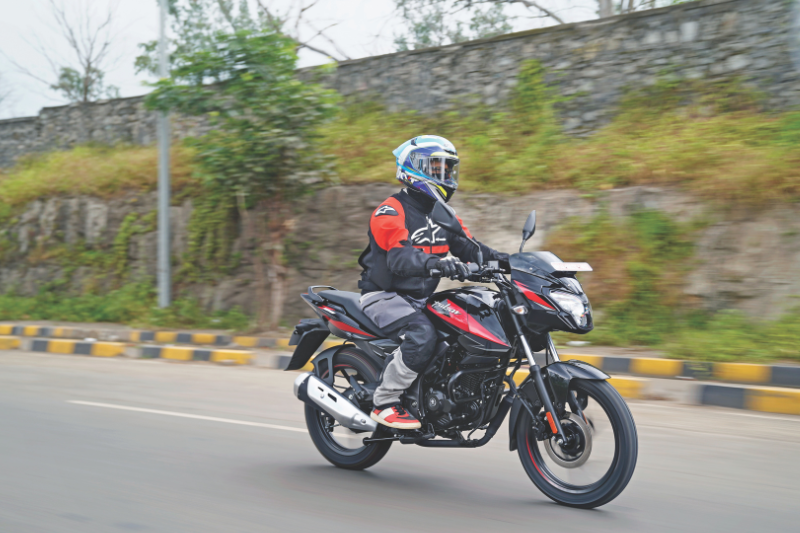
Bajaj is gunning for the top spot with the new Pulsar 125. But dethroning the current volume king won’t be easy. Does the new baby Pulsar have what it takes to challenge the champ?
Story: Salman Bargir
Photography: Sanjay Raikar
The brand is celebrating 25 years of its iconic Pulsar brand, and there’s an interesting story about its origins that I learnt recently. The original plan was to launch the Pulsar in 125-cc and 150-cc guises, rather than the 150-cc and 180-cc motorcycles that eventually made the cut. The reason? The level of performance Bajaj wanted to deliver was, at the time, possible only with the larger 150cc and 180cc platforms.
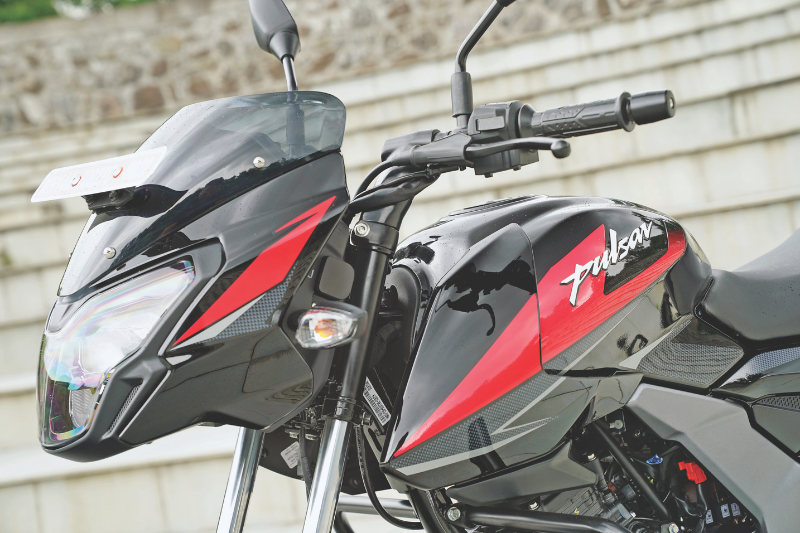
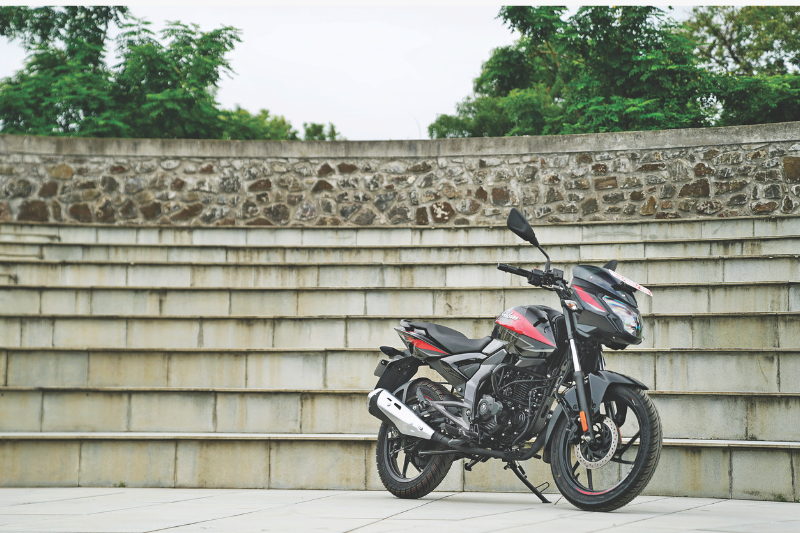
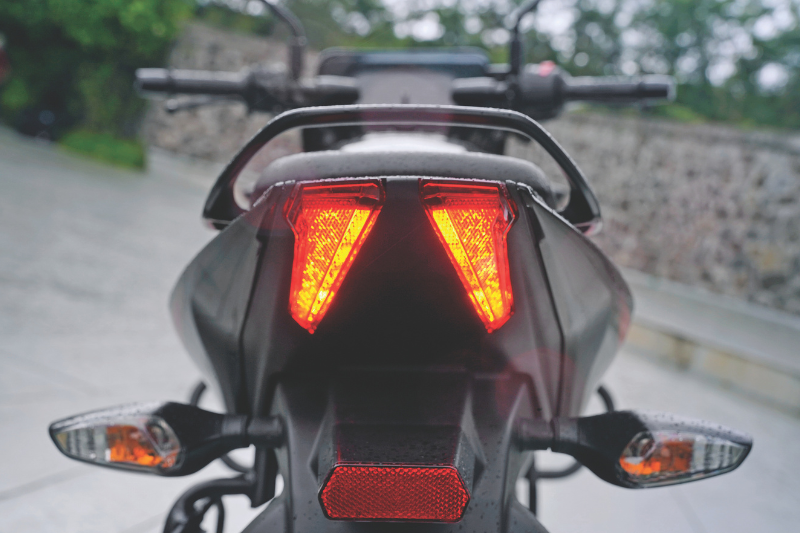
With the new Pulsar 125, the overall design remains familiar, but it gets a more aggressive-looking headlight, while the shrouds and tank add to its muscular stance. The tail section follows a similar design theme, but gets a new tail-light. Fit and finish have improved, although the switchgear and panel gaps could still be better.
But the fact that it gets an all-new frame, with the engine acting as a stressed member, immediately caught my attention. Why? Because not only does the engine now produce slightly more power and torque, but the reduction in weight means the bike now has a significantly improved power-to-weight ratio. Bajaj also stated that torque is now available lower down and that the gear ratios have been revised. So, tractability and tractive force -essentially its pulling capacity- were two parameters I was keen to explore.
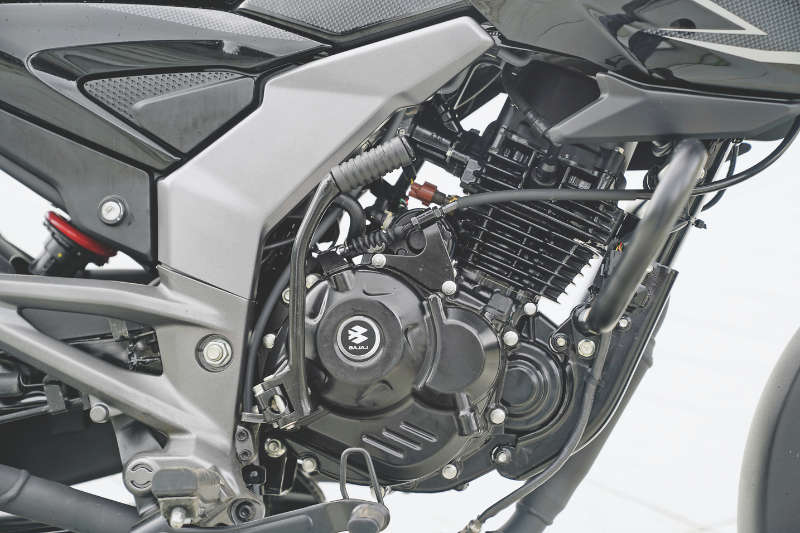
In the real world, all that has translated to a certain extent. While the tractive force isn’t quite what I expected, tractability is good. The bike can cruise in fifth gear, at 20km/h. The five-speed transmission could still do with better downshifts, but upshifts are good, with quick and responsive gear changes. The engine is refined, with vibrations kept to a minimum and only becoming noticeable higher up the rev band.
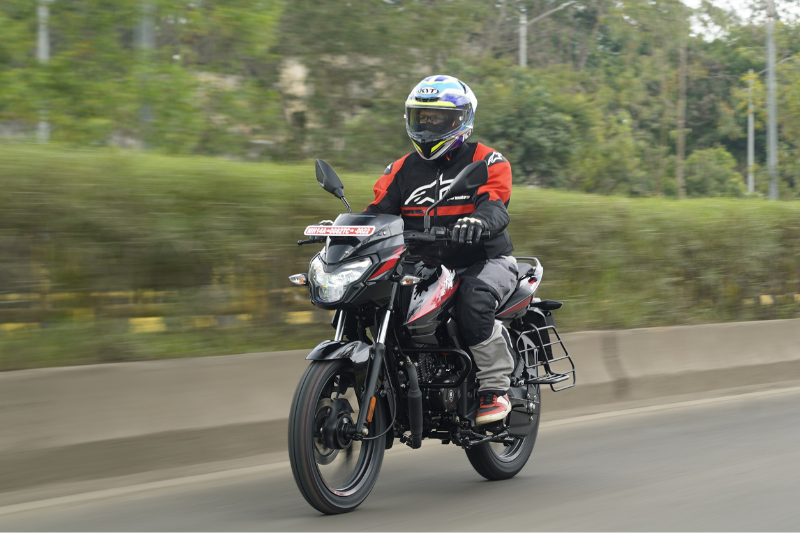
I spent more than an hour on the bike, and the seat height and riding triangle felt well suited to me. The braking setup is equally convincing. The front disc on this standard variant offers good stopping power, while the rear drum does its job well.
Compared with the previous Pulsar 125, the front fork now offers 10-mm less travel, but is 2-mm thicker, while the rear gets a monoshock with 110-mm of travel instead of dual shock absorbers. The setup is clearly comfort-oriented and does a good job of soaking up bumps and potholes. It was only over one particularly nasty bump that I felt a thud at the rear, but even then, it didn’t unsettle the bike.
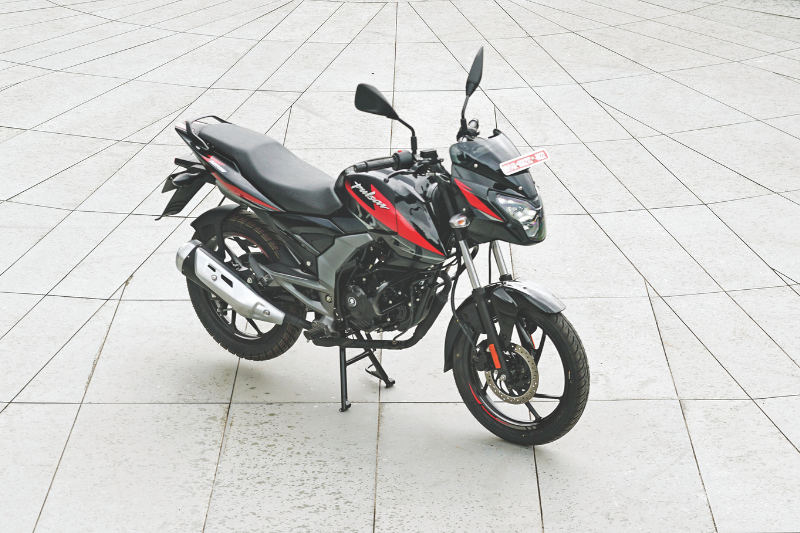
Further, both wheels are 17-inch units, shod with 80/100 front and 100/90 rear tyres. I tested them on dry roads, with some sections of gravel, and they offered good grip throughout. In the city, the bike feels like a breeze to ride. Its light weight and new chassis make it easy to manoeuvre, allowing you to weave through traffic with minimal effort.
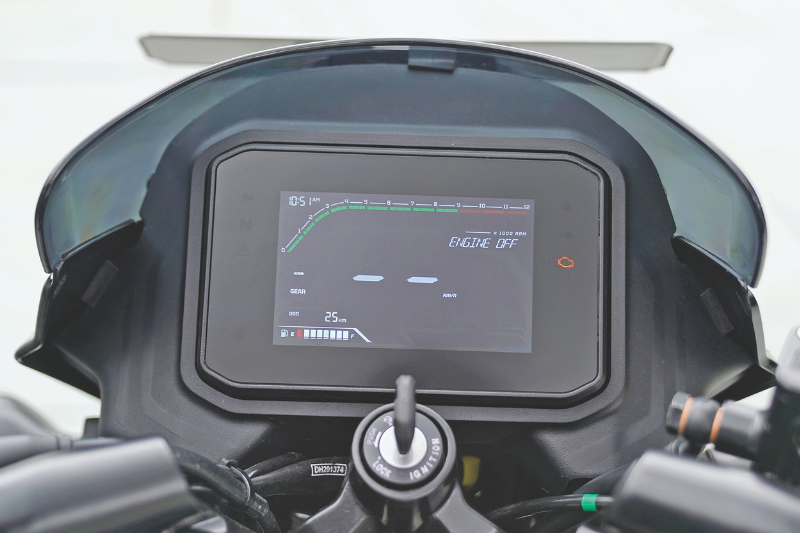
The standard variant gets a nicely legible colour LCD instrument cluster, while the higher variants step up to a five-inch TFT display. They also get a larger 260-mm front disc, Google Maps mirroring with Wi-Fi and Bluetooth connectivity, three ride modes and an Integrated Starter Generator. Other additions include full-LED indicators with hazard-light functionality, a USB Type-C port, split seats, dual horns and a belly pan.
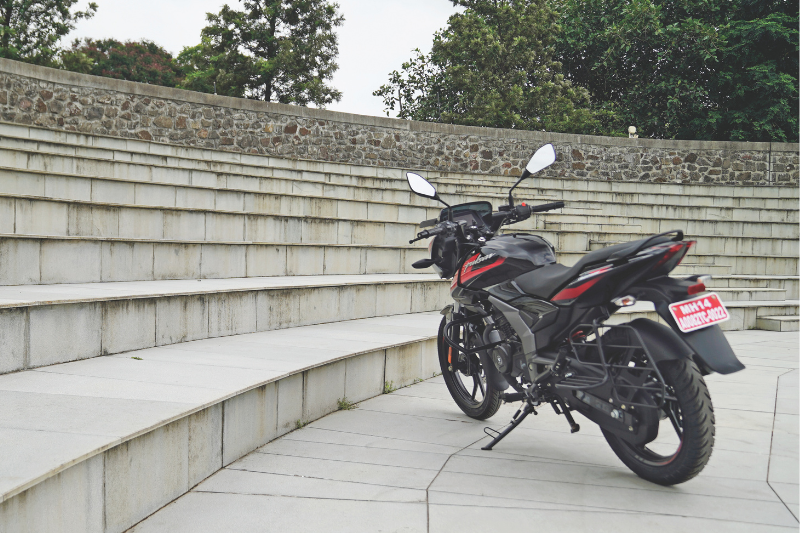
The 125cc commuter market is a fast-growing segment in India, with buyers increasingly looking for more than just fuel efficiency. They want something that looks sporty, packs in useful features and offers better performance than a basic 100–110cc commuter. Taking all of this into account, the Bajaj Pulsar 125 is certainly worth a look, particularly for what it brings to the table over its competition at this price point.
Also Read: Aprilia Tuono 457 Special Edition First Ride: Comfortable Corner-carver?

Leave a Reply