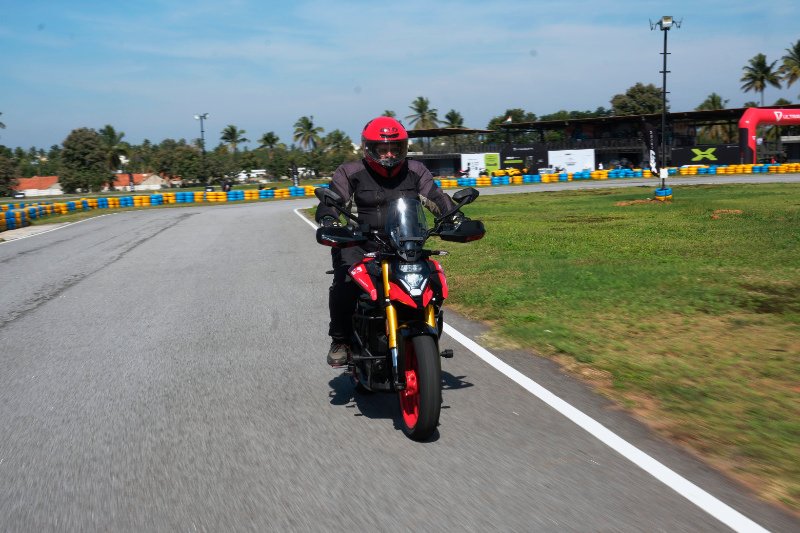
Last year I rode the Ultraviolette X-47, and it felt exciting because it rode like a proper motorcycle and not a scooter with large wheels and an electric motor. The engineering behind it was quite commendable. However, Ultraviolette being a young company, I believe the executives and engineers hardly sit still because recently I rode another X-47, or rather a major update of it, which is loaded with exciting tech packed in the same mechanical package that I appreciated riding last year. Ultraviolette has ditched the low-voltage architecture and adopted the 100-volt VX-100 architecture for the X-47 and its future products. This has enabled them to do a lot more with the bike, which was difficult or impossible earlier. The biggest advantage of moving to a 100-volt architecture is better efficiency, performance, and, most importantly, weight reduction.
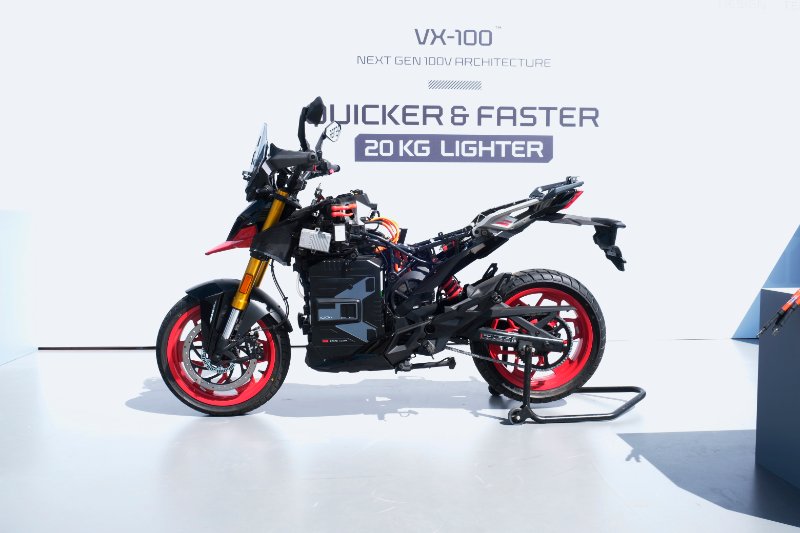
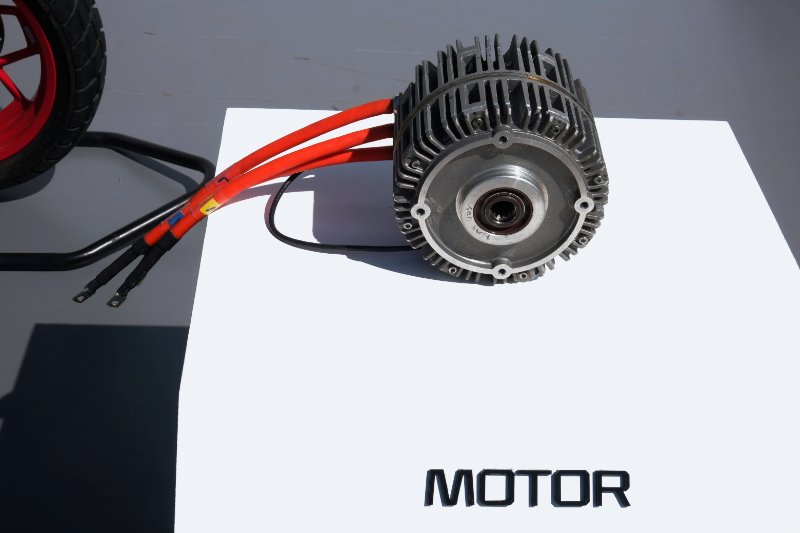
The biggest change in the X-47 is the battery pack, which now comes in 7.5-kWh and 11-kWh options; it uses axial cooling for the battery cells, which improves thermal efficiency, increases range, and is a full 10 kilos lighter than before. Another component that has lost weight is the Light Fury motor, which is now five kilos lighter and produces 40 hp and 90 Nm of peak torque. Another critical component that loses weight is the motor controller, which is down by two kilos. Ultraviolette has also switched to a lithium-ion auxiliary 12V battery instead of a lead-acid one, which shaves around three more kilos off the bike. Overall weight is down by 20 kilos on all four variants. However, the list of features continues to grow, and the most significant addition is Pyro Fuse tech, a smart fuse that packs a detonating charge to physically sever the bus bank and stop the high-voltage components from bursting into chaos. It is a feature from the world of high-end luxury four-wheeled EVs and a first on a two-wheeler in India.
You also get a 7-inch TFT touchscreen instrument console with a highly organised, intuitive UI that is legible in direct sunlight. It runs on Android OS; however, maps are still from Mappls, which are average at best. A lot has been updated, but I am glad Ultraviolette did not play around with the motorcycle’s dynamics, as much of the cycle parts remain the same, meaning you get the same suspension, chassis, brakes, and tyres. This move has retained the familiarity of the X-47. However, many of the electrical components have been overhauled.
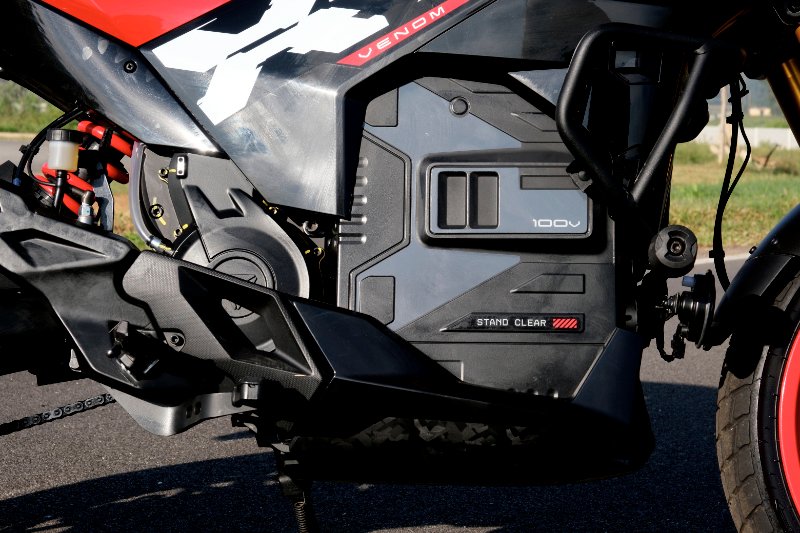
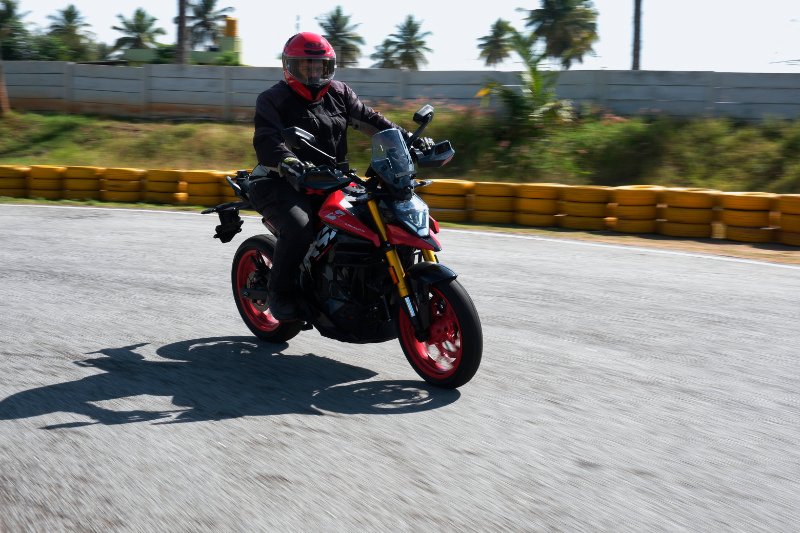
Riding the X-47 Venom on the outskirts of Bengaluru, I was reminded of its beautiful, top-notch ride quality, and the throttle response is smooth and linear in all riding modes. The suspension on the Venom is my favourite part because it’s designed for comfort, and it absolutely nails it as a well-designed barrier between the road surface and you. The LightFury motor, which has lost significant weight, delivers power and torque to the rear wheel smoothly, without any drama. However, electronic aids like traction control and dynamic stability control also help keep everything smooth regardless of the riding surface.
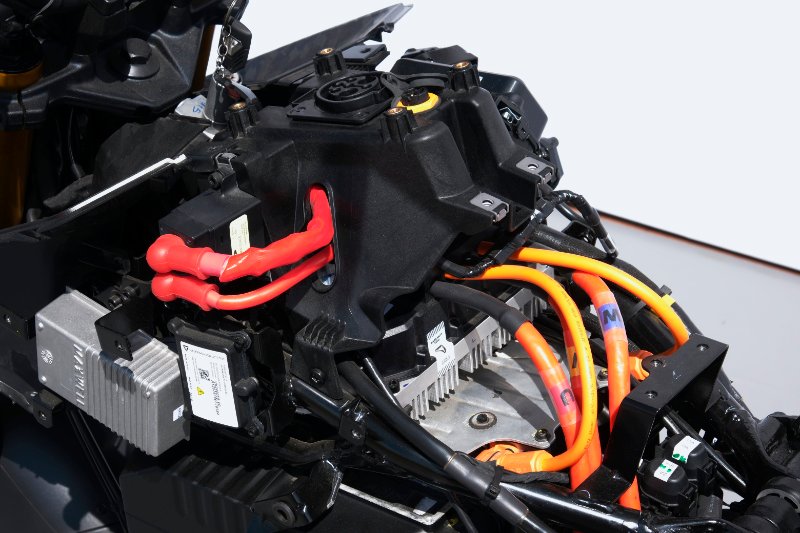
Plus, the radar tech, switchable ABS, front and rear dashcams, and all the crazy gizmos and gadgets onboard make it a tempting contender for my money. It also gets 12 kW DC fast charging, which is fast, but good luck finding a 12 kW DC fast charger, as they are still a rarity in most places. For normal charging, it still takes five and a half hours to go from 20 to 80 percent SOC on the 11-kWh variant with the onboard charger.
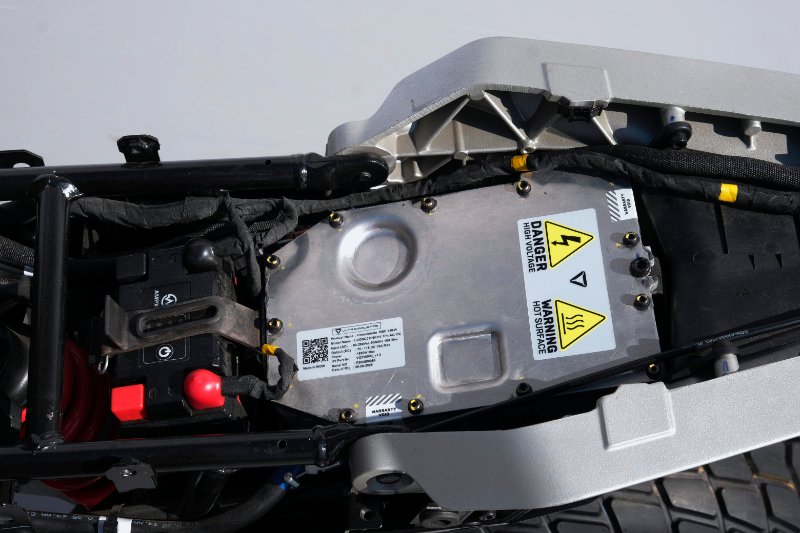
Charging is still manageable, and most buyers will be able to live with it every day. However, I find the X-47’s handling, especially on the road, lacking. Although the suspension setup gives it good ride quality, the softness robs it of handling because the front-end dive is just too much, which dampens the fun in the corners. For soft-roading and our bad roads, the suspension does a great job, but when you want to enjoy smooth corners, you wish the setup was a tad stiffer. The brakes work well, with good bite and feel, although a little more feedback would be appreciated.
My only gripe with the bike is its price, which, as of today, starts at ₹2.65 lakh (7.5-kWh variant), and the one that I rode (Recon+) costs a jaw-dropping ₹4 lakh ex-showroom. At that price, Ultraviolette must really market the bejeebers out of the X-47 Venom for it to succeed, but then again, good tech comes at a price, and the X-47 Venom delivers on its promise quite well. However, I think that the indian market is still not ripe enough for a ₹4 lakh electric motorcycle.