
Words: Ravi Chandnani
Photography: Siddharth Dadhe
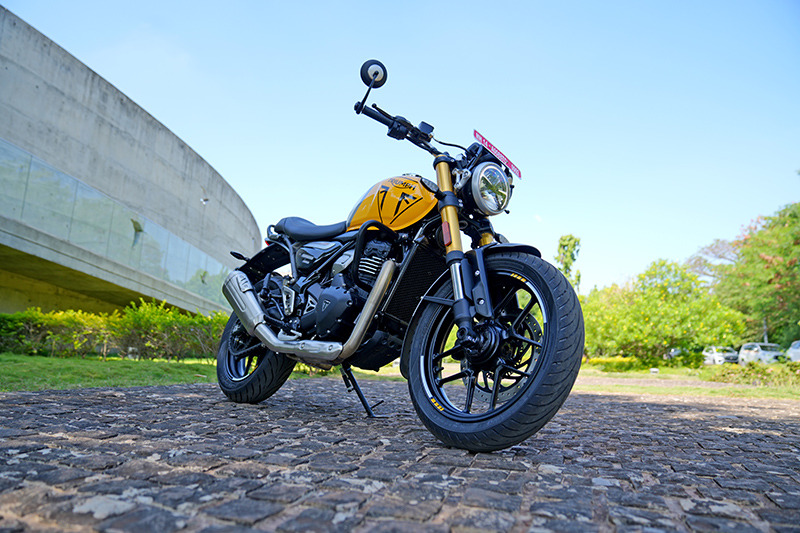
On 22nd September 2025, GST 2.0 impacted Triumph’s entry-level range the most, as suddenly every small Triumph became a luxury item subject to 40 per cent GST. However, the good folks at Triumph Motorcycles India decided to absorb the hike, but that ended in the first week of April 2026, when Triumph phased out the 398.14-cc TR series engine, replacing it with the 349-cc TR series motor, but the 400 name remains. However, it now attracts a lower GST rate (18 percent), and in my books, that is – Triumph beating the system. We rode the most popular model in the Triumph 400 line-up – the Speed 400, and this is what we discovered.
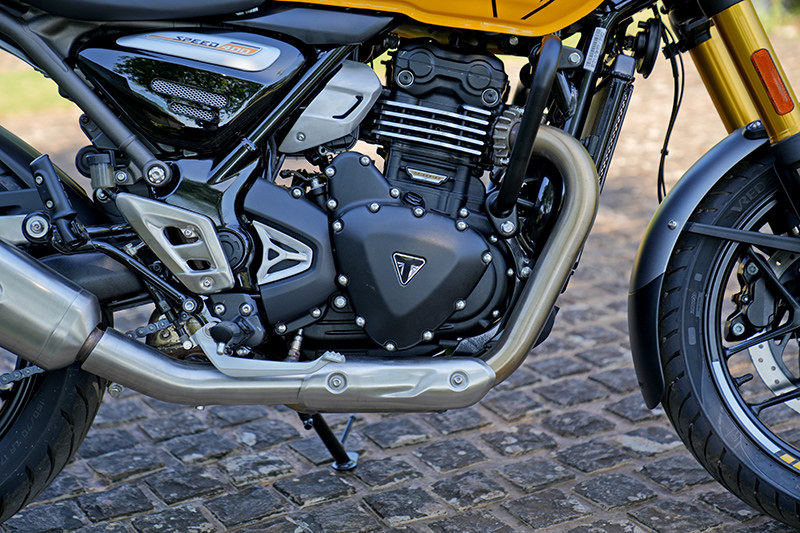
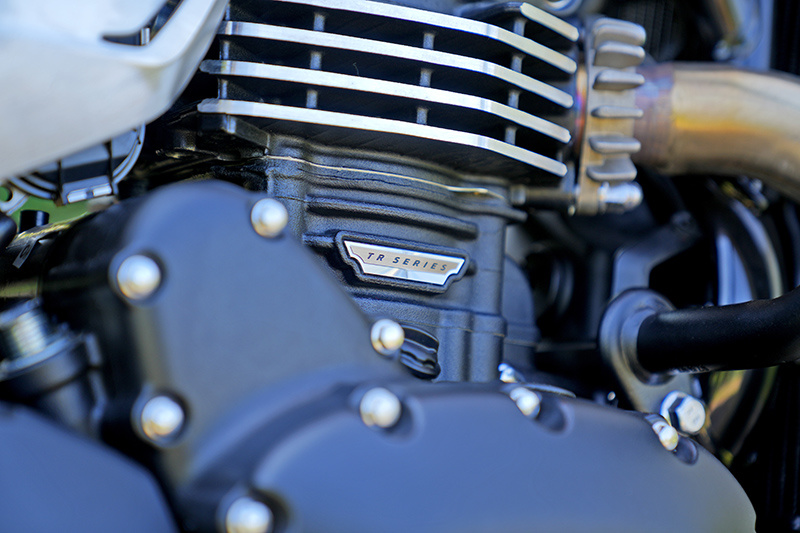
I’ll begin with addressing the elephant in the room – the new TR series engine. We all knew since September 2025 that Triumph was working on the TR series engine to reduce its capacity from 398.14-cc to 350-cc and the result is the new 349-cc TR Series motor. To achieve this, Triumph lowered the stroke from 64-mm to 56.1-mm, which makes it an over square engine. By doing so, the TR Series engine now has a new displacement of 349-cc, however, it has lost only 3 hp and 5.5 Nm in the process. Being oversquare, the engine retains its rev happy character and it maintains similar levels of performance as before, especially in the low and mid-range. Triumph have also revised the internals, like the crankshaft, balancer shaft, camshaft, the valves, and even the intake, which has resulted in the engine now producing 37 hp at 8,500 rpm (3 hp down) and 32 Nm produced at 7,000 rpm (5.5 Nm down) for the Speed 400. One of reasons why the engine doesn’t feel sluggish due to the shorter stroke is because Triumph has played around with the gearing of the bike to compensate for inherently poor low and mid-range delivery associated with shorter stroke engines. I must say that they have done a good job with the gearing because the bike still retains the grunt it had even in low and mid-range.
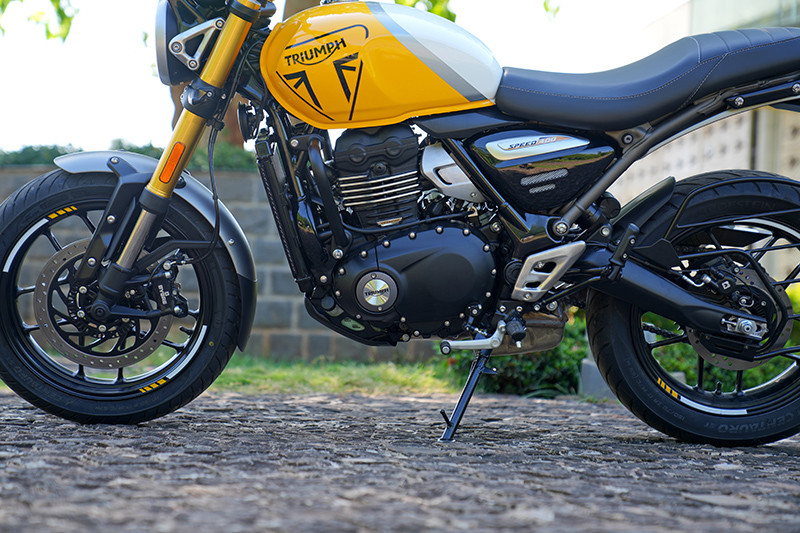
The rest of the line-up has seen a similar drop in power and torque – roughly 3 hp and up to 5.5 Nm. However, Triumph said that it retains the essence of the 400s. So, did I notice the difference? The first change, although a sensory one, was the new soundtrack, which is a bit different but not to an extent where it feels like a big change. In terms of feel, the engine did not feel much different from the 400, mainly because in the city, at slower speeds, it has enough grunt to ignore the fact that it is missing a few horses. Even the six-speed gearbox with slip-and-assist clutch remains slick with short ratios that let you move to higher gears quickly, just like before.
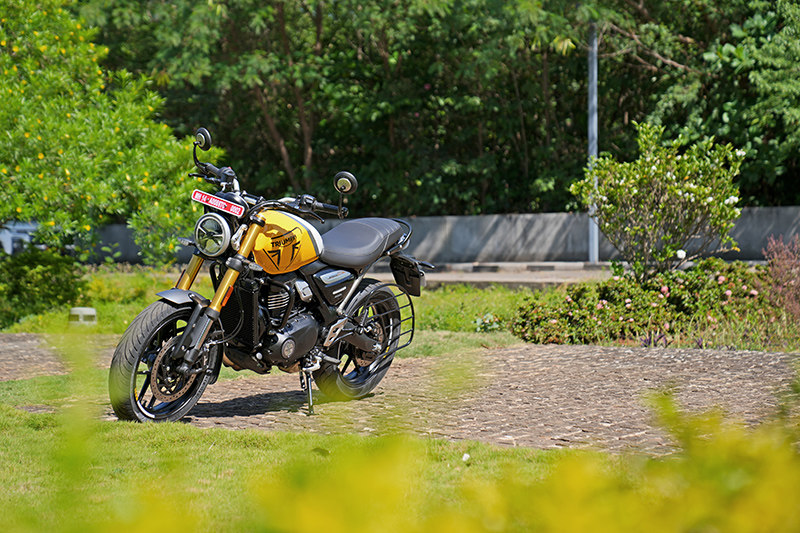
I must mention that for most of my ride through the city, I did not feel the engine lacked power or torque. In fact, the moment my right wrist summoned the English stallions through the ride-by-wire throttle, they appeared immediately, taking the form of smooth yet quick acceleration. Because the engine is tuned to provide excellent low and mid-range torque, and I can attest that it is available whenever your right wrist demands it in the city. It is only at higher revs that you feel the lack of power and torque. But for most riders, it will be difficult to tell the difference, as it is minuscule. However, I did notice vibrations creeping through the footpegs and handlebars once the engine revved past 7,500 rpm, but for most of the time, the refinement is quite good. So, the new 350-cc TR series engine is not a slouch despite what the white sheet says.
In terms of cycle parts, Triumph has not touched anything, as the chassis, suspension, brakes, and tyres all remain the same. Even the rider’s triangle is the same. Triumph didn’t even change the stickers on the bike, as the line-up is still referred to as 400; even the new model is called Tracker 400. Other important aspects, like ride quality and handling, remain identical to the 400s. The upside-down front fork and the monoshock at the rear still strike the right balance: the setup is soft enough to gobble up the undulations on our roads without bottoming out, and stiff enough to let me enjoy the cornering with confidence. The Speed 400 still sticks to the chosen line quite well thanks to the grippy tyres that work in coordination with the superb suspension setup. The Speed 400 is a well-balanced motorcycle, and despite the engine losing 50-cc, 3 hp, and 5.5 Nm, it still lets you have fun, similar to what the actual 400 motor offered.
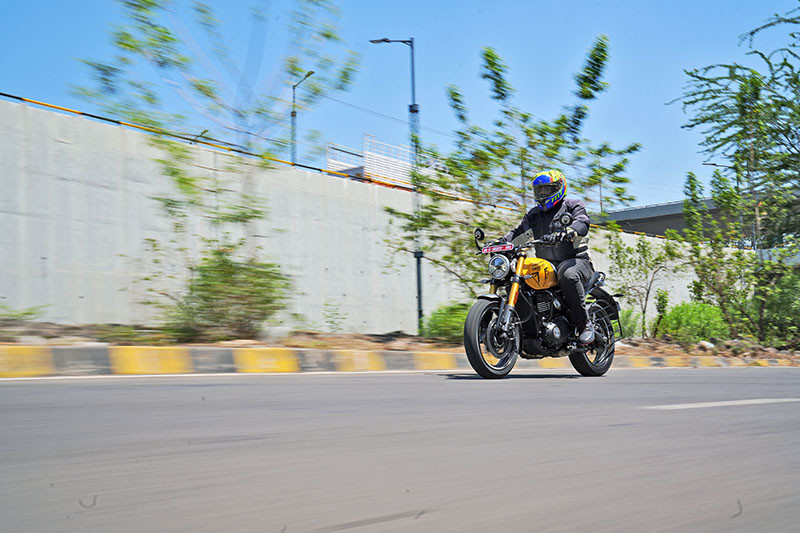
Overall, the new 350-cc Triumph Speed 400 ticks all the boxes for me; on paper, it may be down on horsepower and torque, but the engineers have tuned the new 350-cc mill quite well, so most riders won’t really notice the difference. With this new engine, the entire entry-level Triumph line-up is no longer a luxury item beyond the reach of the masses. The bike I rode costs ₹2.32 lakh ex-showroom, which is ₹7,000 lower than the 400-cc version, and seems like a good compromise for the power, performance, and value you get. So, if you are in the market for a new entry-level Triumph, the 350-cc 400 line-up still makes great sense.
Leave a Reply