
It could just be the most powerful electric scooter at launch, and here is what the top Ultraviolette officials told us
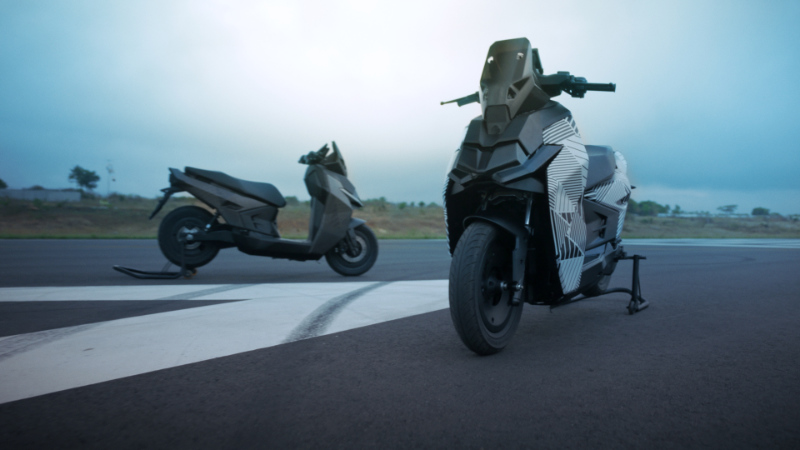
Ultraviolette is ready with its first electric scooter, Tesseract, which will launch in the first quarter of 2027, as confirmed by Narayan Subramaniam, CEO, Ultraviolette. For the last three years, Ultraviolette has been working to bring the Tesseract to life, and after countless challenges, the scooter is in the final phase of testing and will enter production by the end of 2026. As for the challenges, the first major challenge Ultraviolette faced was increasing the peak output to 15 kW, which was an uphill battle, as the tech available at the time only allowed 10 kW of peak power in the earlier configuration. The engineering team had to configure a system capable of delivering 15 kW (20.4 hp) without compromising stability or consistency. For this, the company returned to the powertrain design board, identified the roadblocks, and began addressing them.
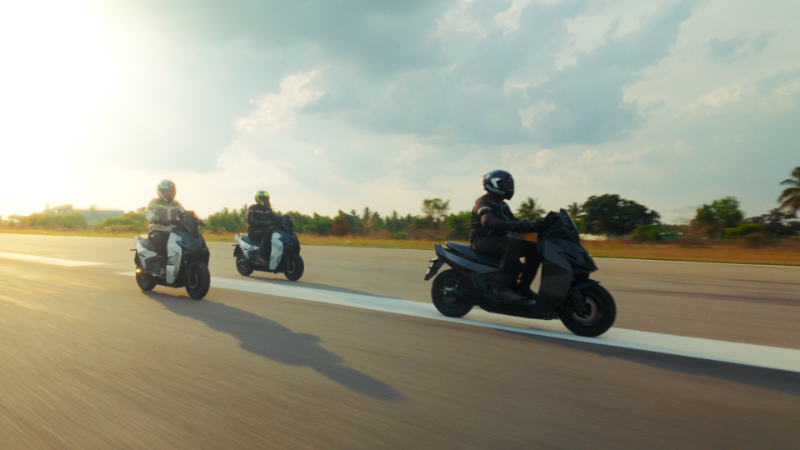
To achieve a constant 15 kW of peak power, the engineers ditched the 60V architecture and adopted a 100V architecture, enabling them to supply the motor with more consistent current. For this, the motor controller was also redesigned to handle the additional power. In fact, Ultraviolette engineers ended up with a motor controller that weighs just 2.5 kg, a full 3.5 kg lighter than the initial one, and is compact as well. However, the next challenge was to keep the battery cells cool, because when you draw more current, they heat up rapidly, and without enough cooling, they might get damaged, resulting in poor performance or worse.
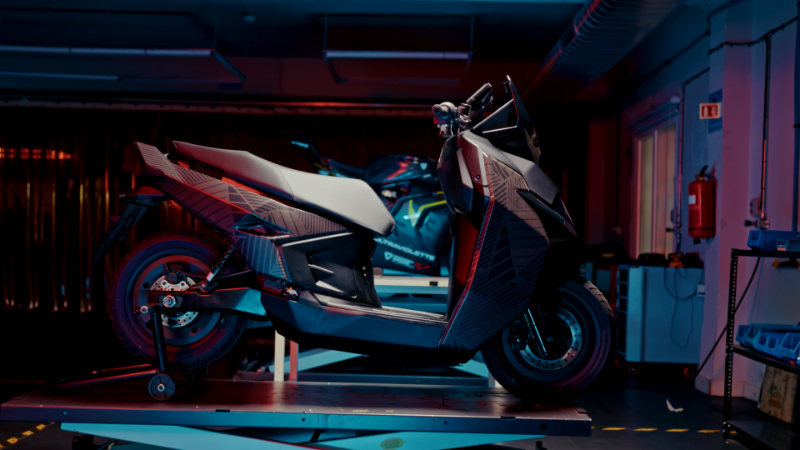
To solve the battery cell cooling issue, Ultraviolette ditched the radial cooling method, an industry standard for electric scooters in India, and opted for axial cooling, which is more expensive to implement but essential for cooling the battery cells. Ultraviolette also redesigned the battery pack, but that was more for functionality than anything else. Despite all this, they were able to achieve a boot space of 30 litres. Ultraviolette also has a new external charger for the Tesseract with an output of 1600W, which allows it to charge twice as fast as the industry standard of 600 to 700 kW.
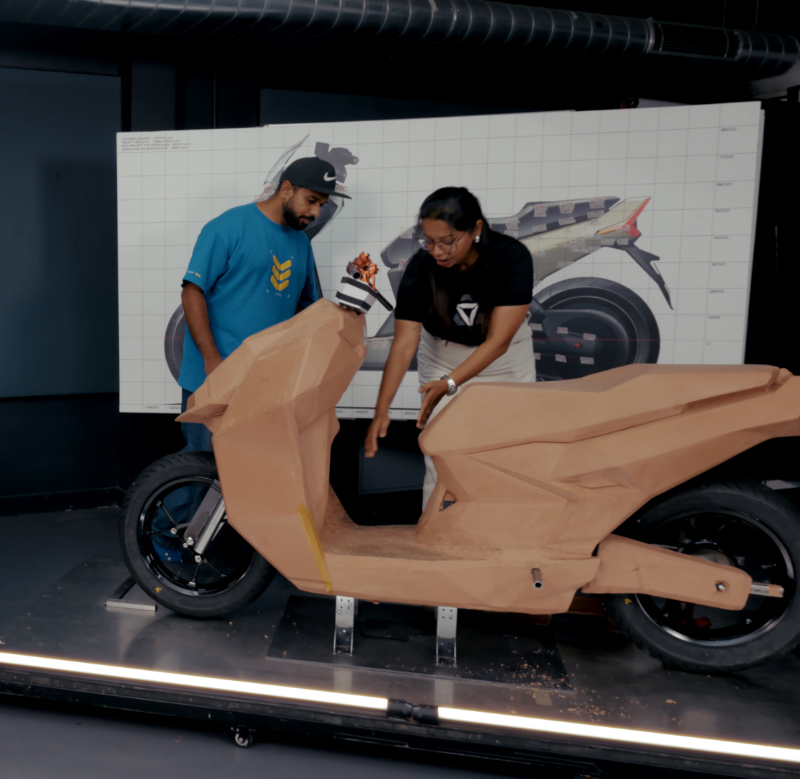
Apart from this, Ultraviolette also changed the Tesseract’s ergonomics based on feedback from potential customers in 30 cities where the scooter was displayed. The front panel has been redesigned to provide more knee room, the floorboard has been narrowed to make it more convenient for shorter riders, and the seat has been redesigned to maximise comfort when riding with a pillion. However, this update focuses mainly on how the Tesseract is the first scooter with a 100V architecture and delivers 3 times the power of industry standards. It also features faster charging than the competition, a top speed of 125 km/h, weighs around 130 kg, and comes with a radar, the first of its kind in the scooter segment. Ultraviolette also said that they will honour their promise to deliver the Tesseract at ₹1.2 lakh to the initial customers who have booked the scooter; however, they will have to wait until at least the first quarter of 2027 for their scooter. We also expect to see the production version of the Tesseract at this year’s EICMA.

Leave a Reply