
Purchasing a two-wheeler for the first time is like a dream coming true for most individuals. In this regard, when it comes to choosing a model, people usually go with recommendations from peers or follow the latest market trends.
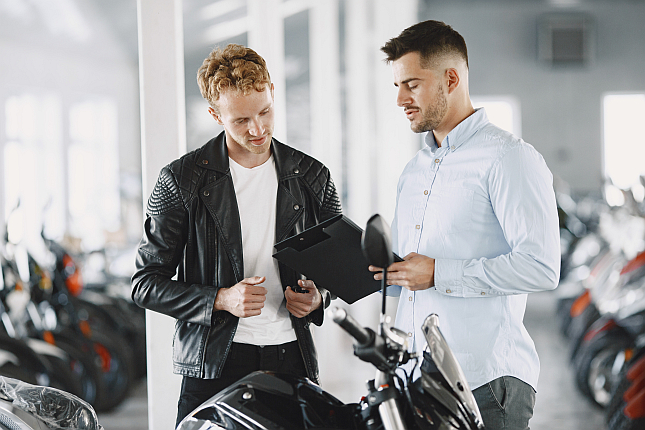
However, as you are going to be spending your hard-earned money, you must make thoughtful considerations before selecting a model. There are several two-wheeler options available in the market, ranging from new bikes and scooters to new and second-hand models. You should select one based on your preference, needs, and budget.
Here is a complete guide on how to select a two-wheeler for the first-time buyer!
Things to Consider While Buying a Bike for the First Time
Here are some of the factors that you must consider while buying a two-wheeler for the first time:
- Consider Your Biking Needs
The first thing to consider while choosing a bike is to understand your needs. Whether you need a two-wheeler for daily commuting, casual outings, or road trips influences the type of vehicle you should buy.
For instance, if you are looking for a bike for adventure or touring purposes, you should opt for a sturdy build. On the other hand, if you need a vehicle for regular commuting, easy-to-handle and lightweight models are what you need.
- Determine Your Budget
One of the crucial aspects to consider while buying a two-wheeler is your budget. You must set a budget as per your affordability to spend on a new vehicle. Automobile manufacturers usually launch several models to cater to customers of varied economic backgrounds.
From reasonable options to superbikes, you can find a fit for every need and budget. So, if you set the budget, it will help you shortlist the models that you can afford without straining your finances.
- Engine Capacity and Power
When choosing your first motorcycle, select a model that matches your current skill level. This will help you build confidence and avoid unnecessary risk. Begin with a bike that offers moderate power, as it is easier to control and less intimidating for new riders.
You should prioritise models that balance weight and power delivery. Lighter motorcycles are simpler to manoeuvre at low speeds, helping you focus on learning proper technique and gaining valuable riding experience.
- Fuel Efficiency
The mileage of a bike is another essential factor to consider when buying a two-wheeler for the first time. Check the mileage of the bike you are choosing, especially if you are buying it for daily commuting. For fuel efficiency, consider smaller engines, as they consume less fuel and help you save on fuel costs over time.
- Comfort and Ergonomics
Pay attention to seat height, handlebar placement, and overall posture. A bike that’s too tall or heavy may be challenging to manage. Test-sit and, if possible, test-ride different bikes to find one that fits comfortably.
- Safety Features
Prioritise bikes with safety features such as Anti-lock Braking System (ABS) and responsive brakes. These make a significant difference, especially for newer riders, as safety is a priority when riding for the first time. Also, opt for models with good visibility and lighting.
- Compare Various Options
Once you’ve narrowed down your choices, it’s essential to conduct thorough research. Look online to find bikes that meet your criteria and shortlist the best options. Pay attention to key details, such as engine power, fuel efficiency, price, bike type, and fuel type, to compare effectively.
Gathering this information helps you make an informed decision. Additionally, consulting with friends who are knowledgeable about bikes can provide valuable insights and guidance to ensure you select the right model for your needs.
- Availability of Service Centres
Over time, your bike will require regular maintenance to keep it performing at its best. When buying a new bike, ensure that spare parts are easily available in local markets or nearby service centres.
If replacement components are challenging to find, it could lead to inconvenience and higher maintenance costs later. Choosing a brand with widespread service support and readily available parts helps you avoid future troubles and ensures the smooth upkeep of your motorcycle.
- Resale Value
Certain brands and models hold value better than others. If future upgrades are likely, picking a model with strong resale prospects is wise. Fuel efficiency and brand reputation play big roles in this regard.
- Research and Reviews
Don’t underestimate the power of peer reviews and online research. Read genuine ownership stories, visit forums, and seek advice from friends who already own bikes. Honest feedback about day-to-day performance and maintenance is invaluable.
- Take a Test Drive
Visiting the nearest showroom to test ride the two-wheeler you’re interested in is a crucial step. It gives you the chance to feel how the bike handles in real conditions, helping you evaluate comfort, control, and performance.
A test ride allows you to determine if the bike suits your riding style and handling capabilities, enabling you to eliminate options that don’t feel right before making a final decision.
Additional Things to Know for First-Time Bike Buyers
If you are a first-time two-wheeler buyer, don’t miss the following things after buying a bike:
- Insurance Essentials
Having bike insurance is legally required and financially crucial. Comprehensive bike insurance protects against damage, theft, and third-party liability. The premium of your two-wheeler insurance depends on factors such as the bike model, engine capacity, year of manufacture, and location.
You can use a two-wheeler insurance calculator to compare premiums and select the best coverage.
- Select the IDV of Your Two-wheeler Insurance Carefully
If you are a first-time buyer, you may wonder what IDV is in bike insurance. Insured Declared Value, or IDV, is the maximum amount paid by your insurer in case of total loss or theft. It’s calculated as the current market value of your bike, adjusted for depreciation.
Selecting a higher IDV will help you get a higher compensation, but it will also increase your premium amount. Therefore, choose the IDV that best suits your budget and needs.
- Registration and Documentation
Ensure that all required paperwork, such as the registration certificate, tax receipts, and Pollution Under Control (PUC) certificate, is obtained with the bike. For used bikes, verify previous ownership and transfer documents carefully. This avoids legal hassle later.
- Loans and Financing
Many dealers and banks offer attractive loan options, sometimes with minimal down payment. Compare interest rates and terms before opting for a finance option. Ensure EMI payments fit comfortably in your budget.
- Accessories and Modifications
Accessories like guards, carriers, and custom seats add utility but may affect your warranty or insurance coverage. Inform your insurance provider about any significant modifications, as these can impact the premium or eligibility for claims.
- Environmental Impact
Check the bike’s emission standards, especially in cities with strict pollution norms. Opt for models that comply with the latest BS-VI standards for smooth registration and enhanced eco-friendliness.
Buying your first two-wheeler requires careful consideration of various factors, including bike type, power, budget, and maintenance. Thorough research, test rides, and an understanding of insurance aspects ensure a safer and well-informed purchase.
Prioritising comfort, control, and service availability will enhance your riding experience and long-term satisfaction with your bike. With the right approach, owning your first bike can be a rewarding and enjoyable experience.

Leave a Reply