
The UC3 could slot in beside the Activa e in Honda 2Wheelers India’s electric scooter line-up
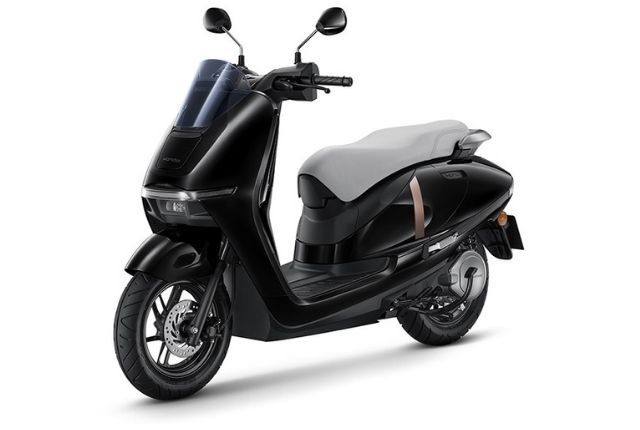
Honda has launched the UC3 electric scooter in Thailand and Vietnam. Positioned as an alternative to a 110-cc petrol-powered scooter, this fixed-battery electric two-wheeler makes a lot of sense in India. Read on to know why.
Starting with the meat of the matter, the UC3 adopts Honda’s first fixed-type lithium iron phosphate (LFP) battery. With its optimised regenerative control and magnetic circuit design, this 3.17-kWh battery can achieve a claimed WMTC (World Motorcycle Test Cycle) range of 122 km, on a par with mid-budget Indian electric scooters like the Ather 450X and Bajaj Chetak. Honda offers the CHAdeMO DC charging standard for the UC3, with two charging options–1200 W and 450 W–for 0 to 100 per cent and 20 to 80 per cent charging times of four and nine hours, and two and five hours, respectively.
Next, the performance; the UC3’s wheel-side motor, developed and manufactured in-house by Honda, has a peak output of 6.0 kW (8.16 hp), gets three riding modes (Sport, Standard, and Econ, along with reverse), and boasts a claimed top speed of 80 km/h. Yes, all those specs and features are identical to those on the Activa e.
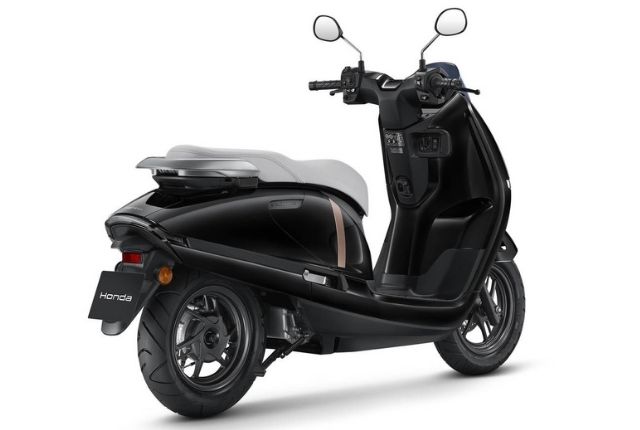
Finally, the design, which incorporates an upright, functional apron with the integrated LED headlight shared with the Activa e and QC1. Both these e-scooters also have a prominent handlebar cowl–the one on the Activa e even sports an LED DRL–with an integrated instrument cluster. The UC3’s handlebar, meanwhile, has an inset mounting, with the fixed LED instrument cluster on the apron, akin to that on the now-discontinued Honda Cliq. Its profile and hind quarters, though, have a more rounded design swooping into a low-mounted LED tail-light and indicators.
Summing up, the UC3 makes sense in India as a fixed-battery alter-ego to the Activa e’s swappable battery persona as they’re alike in most other aspects; right down to the design of their alloys. Granted, the UC3’s CHAdeMO charging system, sparse in India when compared to the CCS2 system, is a detractor; but so is India’s fledgling battery-swapping infrastructure. However, the chief advantage Honda will have in bringing the UC3 to India is recouping the sales it has lost from breaking the link between the ‘Activa’ name and its exclusively petrol-operated connotation. Now, we just hope someone in Honda 2Wheelers India is listening.

Leave a Reply