
The collaboration looks to bring Advanced Rider Assistance Systems (ARAS) to mass-market motorcycles and the Vida electric range
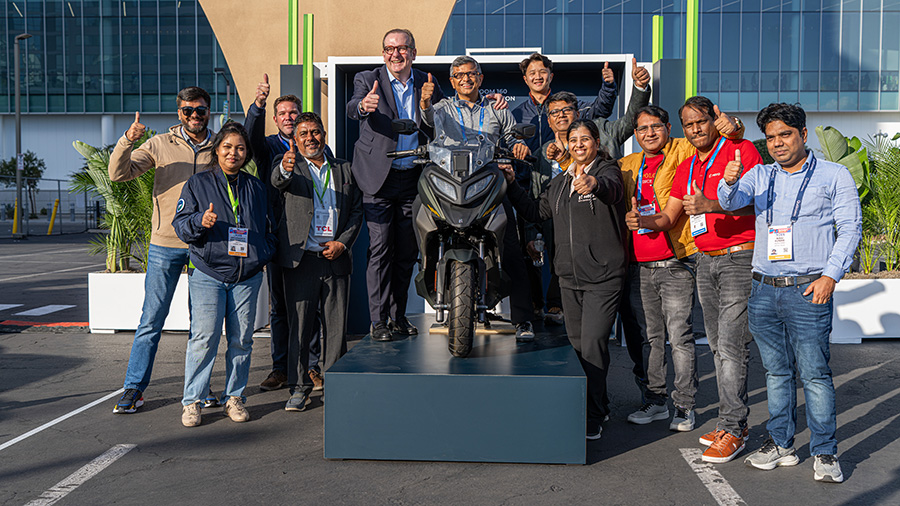
It’s a trend we’ve seen trickling down from high-end tourers for years, but now the world’s largest two-wheeler manufacturer is getting in on the act. Hero MotoCorp has announced a strategic partnership with French technology specialist Valeo at CES 2026 to co-develop Advanced Rider Assistance Systems (ARAS) for the former’s motorcycle and scooter line-up.
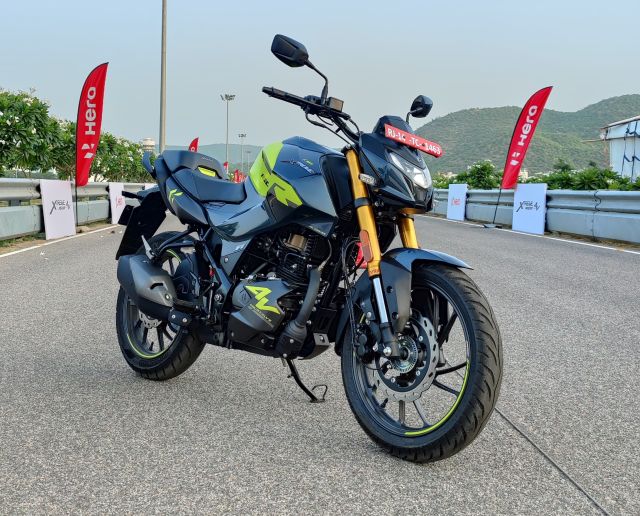
The deal, signed via a Memorandum of Understanding (MoU) in Las Vegas and New Delhi, explicitly mentions targeting both “entry-level and premium segments,” as well as Hero’s electric mobility brand, Vida.
At the heart of the project is a suite of radar and smart camera sensors designed to create what the companies call a “digital co-pilot.” In practice, this means features like Blind Spot Detection (BSD), Lane Change Assist (LCA), and Forward Collision Warning (FCW) – tech that has mostly become standard in cars but still remains a luxury in the two-wheeled world – could soon find its way onto commuter bikes. The system utilises vision sensors for pedestrian detection and traffic sign recognition, utilising image processing to spot obstacles even in low light.
Marc Vrecko, CEO of Valeo’s Brain Division, framed the move as a strategy to tap into the “rapidly growing mobility market in India and globally.” For Hero, it’s a chance to modernise its massive fleet. Ram Kuppuswamy, Hero’s COO, noted that the partnership aims to make these safety standards “accessible to everyone,” rather than restricting them to the elite few.
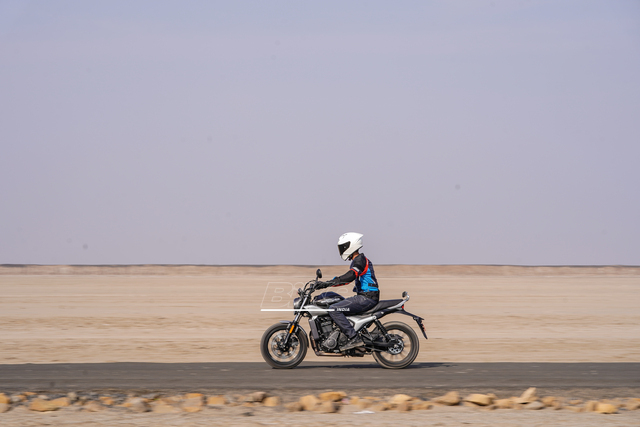
While proof-of-concept systems have already been displayed at this year’s Consumer Electronics Show, there is no official timeline yet for when we’ll see the first Hero Splendor or Vida scooter warning its rider of a rapidly approaching bumper, or bovine.


Leave a Reply