
The iconic bar-and-shield brand aims to revive entry-level cruisers, introducing new riders to drive its next phase of growth
Harley-Davidson is betting its future on a sweeping new turnaround strategy. Called “Back to the Bricks,” the plan aims to revive sales by focusing on affordable motorcycles, dealership culture, and, as has been the brand’s identity, customisation-driven ownership. This new strategy signals Harley’s attempt to reconnect with younger riders and first-time buyers who have increasingly been priced out of the brand, courtesy the premium-heavy direction pursued in recent years under former CEO Jochen Zeitz’s “Hardwire” strategy.
CEO Artie Starrs is now steering the company towards a broader market strategy that may include as many as 20 new motorcycle launches over the next three years. And rather than pursuing radical new segments, Harley appears focused on expanding its range of practical cruisers, affordable variants, and customisation-oriented models. Hence, most of them will be built from existing platforms to reduce development costs, thereby accelerating launch timelines.
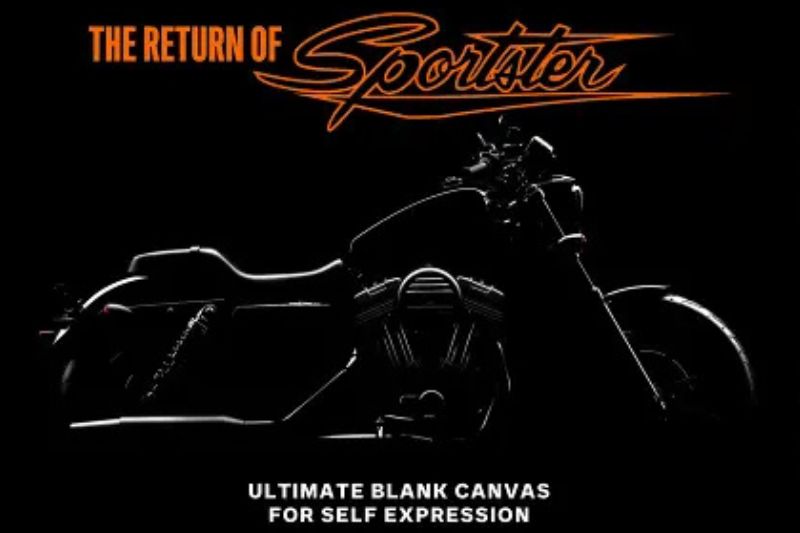
At the centre of the strategy is the return of the iconic Sportster line-up, namely the revival of the Sportster 883. Yes, the Sportster was discontinued in 2022 due to the older air-cooled engine not meeting the incoming emissions standards. The new Sportster, however, will sport Harley’s new 883-cc “Evolution” air-cooled V-twin engine, while retaining the classic styling.
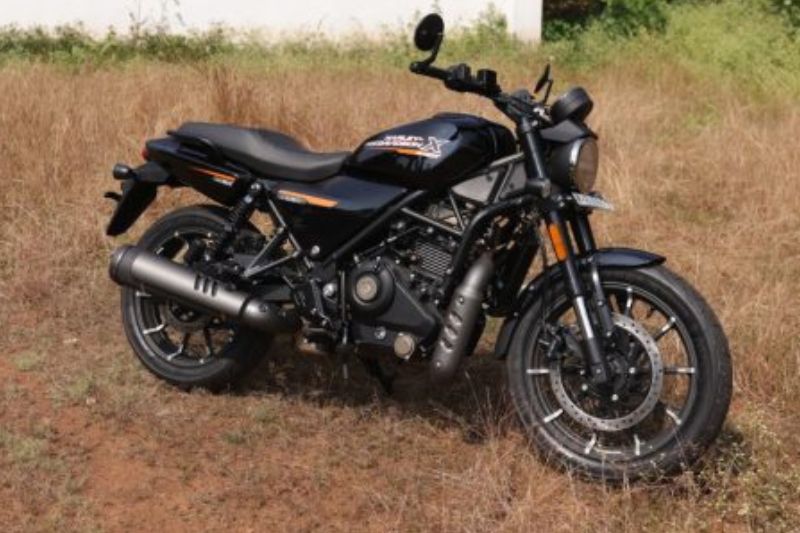
The second major product expected under the “Back to the Bricks” initiative is the new lightweight and lower-cost “Sprint” motorcycle platform, likely based on the X440 platform developed in conjunction with Hero MotoCorp. We expect this bike to retain the same 440-cc air-/oil-cooled single-cylinder engine. The Sprint platform may spawn further models, expanding Harley’s presence in Southeast Asia as well as Central- and South American markets.
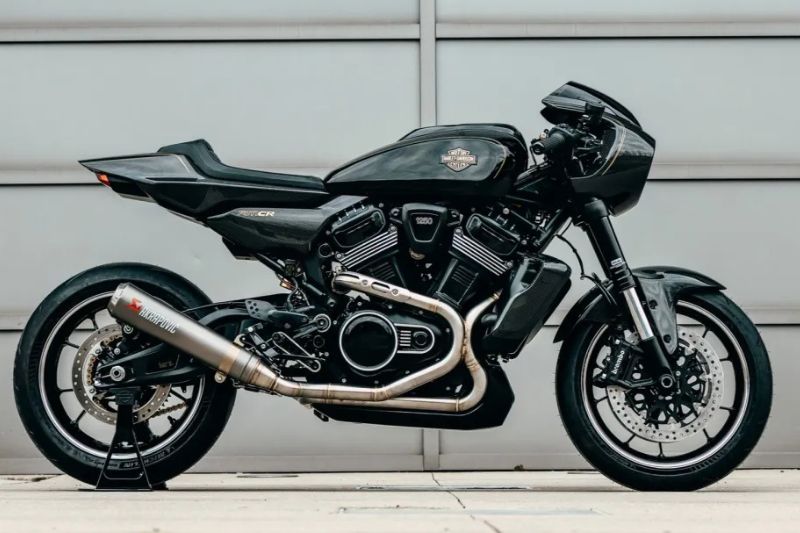
Another prospective launch is that of the production version of the RMCR (Revolution Max Café Racer) concept. Now, we realise it was touted as a “one-off” when showcased at the Mama Tried Motorcycle Show in Milwaukee earlier this year. However, considering it uses the brand’s popular 1,250-cc liquid-cooled “Revolution Max” engine already seen in the Pan America 1250, that too in a frame resembling Harley’s classic XR Roadster bikes, it hints towards intent greater than just garnering eyeballs.
Ultimately, Harley-Davison’s renewed emphasis on smaller motorcycles reflects a global shift toward lighter, more affordable machines. Besides, the brand’s increasing reliance on the India-developed X440 platform suggests the company now views emerging markets as central to its long-term future. We reckon, then, that the “Back to the Bricks” strategy could represent one of the most consequential reinventions in Harley-Davidson’s modern history, transforming the company from a niche premium bike maker back into a broader, more accessible motorcycle brand.
Leave a Reply